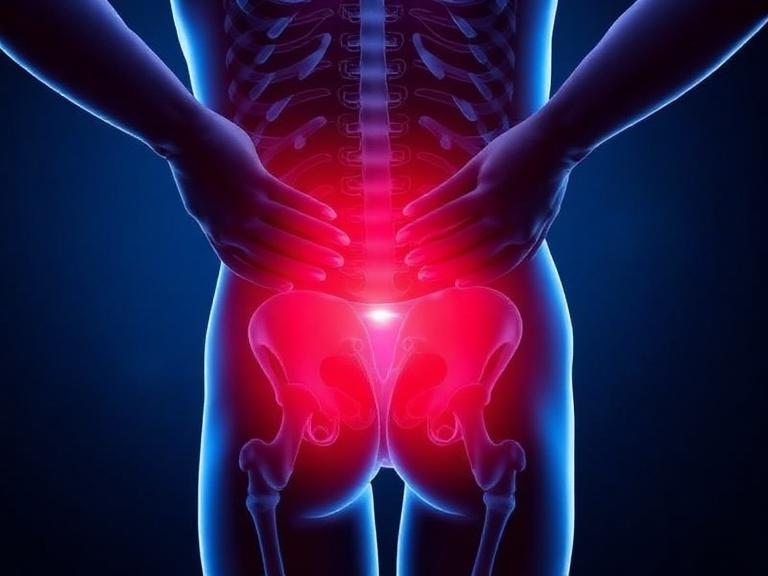
What if upon waking up and going to the toilet you experience a sharp pain? Such an experience is very unpleasant. But why does peeing become painful and what is a pain associated with urinating? Painful urination or dysuria is rather widespread symptom, and not every man can cope with it alone. There are various reasons why it occurs.
The reason for painful urination is not a certain disease in itself, but a symptom telling you that something in the urogenital system was irritated, inflamed or infected. The pain intensity varies from slight to strong and can either appear immediately upon urinating or stay for some time after that. According to experts, a urinary tract infection (UTI) is one of the possible causes. Nevertheless, kidney stones, sexually transmitted diseases (STDs), bladder infection or use of products like tampons, perfumed bubble bath can also be to blame.
So what is painful urination?
Dysuria can be interpreted as a pain, burning, stinging or any other unpleasant sensation that occurs while urination.
It can be perceived differently depending on individual feelings. Patients complain of such symptoms as burning sensation, hot liquid running down, sharp stinging, or irritation and inflammation in a specific part of the body.
Why you shouldn’t ignore it
Some patients expect the condition to improve spontaneously. While minor irritation is likely to go by itself, the persistent painful urination requires further examination since it can indicate an infection or some other disorder that must be cured. Otherwise, untreated urinary infections will go into the kidneys, which can lead to more serious consequences. Visit a specialist when you have fever, blood in urine, unusual discharge, pain in the lower back, abdominal pains or the symptoms have already lasted for more than two days.
Causes of painful urination
Urinary tract infection
UTI happens as a result of bacteria entering and multiplying in the urogenital tract. For women, the likelihood of UTI is higher due to shorter distance between vagina and urethra. Symptoms include burning during urination, frequent need to urinate, pain in the pelvic area, cloudy urine, and sudden urge for urination although only small quantity of urine appears.
Such infections happen very often. They affect the bladder, urethra, connecting tubes or kidneys. UTI is usually curable with the timely help of antibiotics. But if there’s no treatment, infection may proceed up into the kidneys and damage them.
Sexually transmitted diseases
Sometimes painful urination can be caused by STDs such as Chlamydia, gonorrhea or genital herpes. In addition, you may feel discharge, pain in the pelvis, itching or ulcers. It’s very important to diagnose this disease in a timely manner to prevent complications. Prevention includes safe sex practices and regular checks.
Kidney or bladder stones
When hard mineral deposits move along the urinary tract and cause irritation and inflammation, painful urination occurs. Other symptoms include blood in urine, nausea, lower back and abdominal pain. In addition, bladder stones may also cause the same symptoms. To detect the presence of stones, your doctor may suggest you some tests.
Irritation of the urogenital region by hygiene products
Not all cases of painful urination can be explained by infections. For example, fragrance, added to some soap, bubble bath, spray, spermicide or detergent, may irritate tissues surrounding the urogenital region and thus cause burning sensation during urination.
In such case, switching to fragrance-free products may help. However, when there’s still irritation, visit your physician.
Main symptoms
Burning during urination
This is the main symptom of painful urination. Some patients notice burning right from the beginning of urination, others – all along it. This condition is a clear sign of irritation or inflammation in urogenital system.
Frequent urge for urination
When your bladder seems to be never full and you constantly need to go to toilet, then it could be the sign of infection. Frequent urge to urinate can seriously affect your life, including sleeping, but disappears when the main cause is cured.
Abnormal urine appearance or odor
When it concerns cloudiness, blood in urine, strong odor, dark shade or particles appearing in the urine – it indicates some problems in your body and requires visiting a specialist.
Risk factors
Drinking and hygiene
Lack of proper hydration is considered one of the main reasons causing irritation and infections. Others include:
- lack of water intake;
- holding urine for too long;
- poor hygiene;
- unprotected sex;
- irritating products;
- existing medical conditions.
To reduce the risk, it is recommended to stay well-hydrated and to follow good hygiene practices.
Age and medical conditions
There are several conditions increasing the possibility of experiencing dysuria: diabetes, weakened immunity, difficulty with urinating or structural abnormality of urinary tract, as well as pregnancy.
Methods of diagnosing
History and exam
A specialist may inquire your symptoms, medical history, medication, sexual and general life activities, perform a physical examination focused on abdomen and pelvis, as well as prostate (for men). Openness to your physician allows obtaining more information needed for an accurate diagnosis.
Laboratory studies and additional methods
First of all, a urine test is done for revealing pathogens, white blood cells, blood or anything unusual. In order to determine the type of pathogen, a urine culture is performed. Additional methods include:
- sexually-transmitted diseases tests;
- blood tests;
- ultrasound or computed tomography;
- cystoscopy.
Treatment
Methods of medical treatment
Depending on the particular cause, there are different ways to treat the condition. UTIs are usually treated by taking antibiotics. STDs require specialized medications. When there are kidney stones, the patient receives pain relief, fluids, and in some cases, a procedure for removal of the stone is required. For pain experienced while undergoing some treatment, doctors usually prescribe medications.
Self-care methods
Although they cannot replace treatment prescribed by a doctor, such measures will be helpful in recovery process:
- drink enough fluids;
- avoid consuming alcoholic beverages and caffeine while having symptoms;
- wear loose clothing;
- observe good hygiene;
- avoid scented products;
- urinate after intercourse when needed.
Benefits of treatment and risk of delayed visits
The sooner treatment begins, the faster symptoms will disappear, there’ll be less probability of complications or spreading the infection. However, when the delay is too much, an infection becomes harder to control and can affect kidney function or become chronic. In very rare cases, painful urination indicates the necessity of special treatments.
Consider painful urination like a smoke detector. The alarm is not the problem itself but the signal of danger that requires your attention.
Prevention measures
To decrease the risk of experiencing pain during urination, some preventive measures should be taken. Medical specialists recommend drinking plenty of water as it flushes the bacteria from the urinary tract. Therefore, you should have a bottle of water at hand all the time.
Other recommendations:
- urinate whenever it’s needed, without holding urine in;
- wipe thoroughly after going to toilet;
- choose cotton underwear;
- avoid excessive use of scented hygiene products;
- practice safe sex;
- have regular checks;
- manage chronic diseases.
Conclusion
Painful urination shouldn’t be overlooked and ignored by people as it may have serious consequences. It can be triggered by UTI, kidney or bladder stones, sexually-transmitted diseases or irritation. Typical symptoms include pain and burning sensations, frequent urination, pelvic pain, changes in urine appearance and strong urge for urinating.
Timely diagnosis and treatment help to prevent complications and relieve symptoms. Always stay hydrated, take proper care of yourself and seek medical advice when needed. Contact a healthcare specialist when urination is suddenly painful and symptoms become worse.
FAQs
Why is it so painful to pee?
It can be the result of irritation, inflammation or infection in the urinary tract.
How to treat painful urination?
The therapy depends on the cause of the problem.
What are the five warning signs of a bladder infection?
They are burning sensation when urinating, frequently having an urge to urinate, constant feeling of urgency, dark or foul smelling urine, and pain.
Why does it burn when I pee but there’s no infection?
Dehydration, bladder irritation, stones in the bladder, some medications, hormonal changes or products may irritate the urinary tract.
Can dehydration cause painful urination?
Yes. Concentrated urine can irritate your urinary tract. Drinking sufficient amount of fluids can help in such situation.
When should I consult my doctor about painful urination?
If your symptoms last for several days or weeks, are rather severe, are accompanied by fever, blood in urine, back pain, strange discharge, or happen during pregnancy.