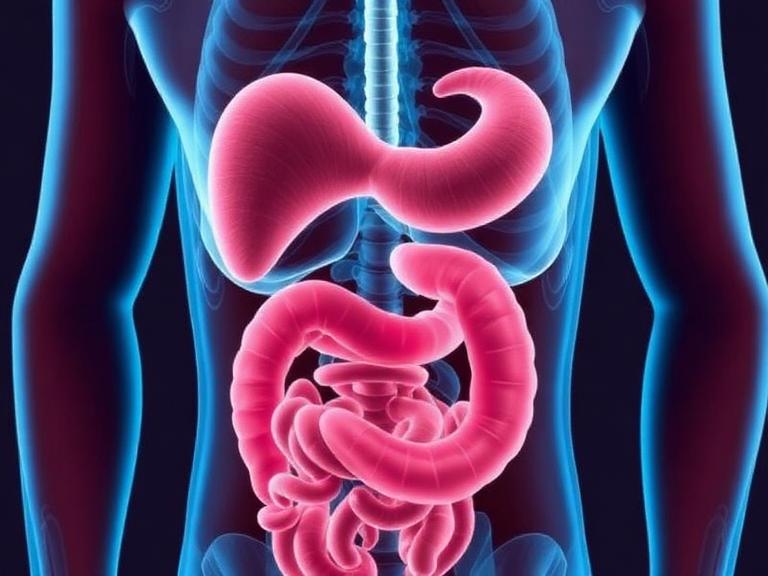
Imagine eating a meal composed of all the right things: fruits, vegetables, proteins, and whole grains. Now imagine still feeling starving. This syndrome is called malabsorption syndrome. It is when your body is unable to absorb the psycho nutrients from food. To the outside observer, it may seem like there is no evidence of this gastro-digestive crisis, but it actively destroys your energy, immune system, and overall health in the long run. It may seem difficult to identify, but it affects the center of the small fuel intestines of the body. Typically, when there is an absorption issue, it is definitely malnourishment. Although this syndrome seems to revolve around food, in the most recent medical publications, there has been a new focus on the malabsorption of fats, proteins, carbohydrates, vitamins, and minerals. This syndrome has many signs and symptoms to include chronic diarrhea, fatigue, bloating, nutrient deficiency, and greasy stools. Unfortunately, other than greasy stools and chronic diarrhea, there are few symptoms to this syndrome.
Sadly, the first response is to blame stress, irregular working hours, and inconsistent eating. These symptoms can also easily hide a serious disorder. There are many patients who all suffer from the same chronic digestive issues and fatigue from nutrient malabsorption who have ahd this because of diagnoses of celiac disease, Crohn’s disease, lactose malabsorption, pancreatic disease and pancreatic disorders.
This article has the most up-to-date and reliable evidence to help you understand the causes of malabsorption syndrome and the symptoms and risks it presents, as well as the diagnosis and treatment options available for this condition. This article also helps you get a better idea of your gut health and how chronic gut problems affect your overall health, especially if you are dealing with chronic digestive problems, because it describes the most effective methods for improving digestion and nutrient absorption.
Malabsorption Syndrome Explained
Malabsorption syndrome is an umbrella term for all the various conditions that, collectively, result in the small intestines’ inadequate, or total lack of, absorption of nutrients from food. Understanding malabsorption syndrome is easier when you think of your digestive system as a sponge that is supposed to absorb everything that is essential for bodily health and nourishment. When your sponge is not functioning properly, then your nutrients are leaving your body unabsorbed and undigested.
Regarding human anatomy, the small intestines contain structures called villi and microvilli, which help absorption by increasing surface area. When these structures are damaged from inflammation or any other cause, absorption suffers. Villi are often subject to flattening from Celiac disease, and the intestinal lining may be damaged from other inflammatory conditions and infections.
Another common problem is the distinction between malabsorption and maldigestion. Maldigestion is the poor digestion of food prior to absorption, while malabsorption comprises the inefficient transport of nutrients to the bloodstream. However, in practice, maldigestion and malabsorption generally coexist.
The range of symptoms and affected nutrients is broad. Some individuals may be able to absorb lactose, while others may be unable to absorb lactose and suffer from a deficiency of iron, calcium, vitamin B12, fat-soluble vitamins and other vitamins, which may have effects on the bones, muscles, hormones, and skin. The modern world may, to some extent, make such problems more likely. Long-term use of antibiotics, intestinal infections, substance abuse, and intestinal and digestive system surgeries may lead physicians to take your digestive symptoms more seriously instead of considering them as normal indigestion.
Common Causes of Malabsorption Syndrome
The variety of causes of malabsorption syndrome may also make the diagnosis a lengthy and difficult process. While some of the causes may be temporary and treatable, some may be permanent and require a systematic approach to management. Nutrient absorption in the complex digestive system may be affected by even the smallest disruption.
Celiac disease is a classic illustration of gluten-triggered autoimmune disease. In celiac disease, the immune system damages the small intestines and causes villous atrophy, which hinders nutrient absorption. Crohn’s disease is also very important in malabsorption, as its chronic inflammation of the digestive tract disrupts digestion and absorption.
Disorders of the pancreas can also lead to malabsorption. The pancreas synthesizes the enzymes which digest fats, carbohydrates, and proteins. Chronic disorders of the pancreas, like chronic pancreatitis or pancreatic insufficiency, can cause food to be undigestable. In combination with celiac disease and Crohn’s disease, pancreatic insufficiency is cited in the medical literature as one of the leading disorders of malabsorption.
Food intolerances are also malabsorption disorders. Lactose intolerance is a deficiency of the lactase enzyme. Research states about 65% of the world has some degree of lactose malabsorption. Undigested lactose reaches the colon, causing gas, bloating, cramps, and diarrhea.
Infections and other medical conditions can also cause malabsorption. Intestinal parasites, bacterial overgrowth, and even certain surgeries that are performed on the stomach and intestines can decrease the ability of the intestines to absorb nutrients. Some medications also cause malabsorption, especially long term use of antibiotics or medications that reduce stomach acid.
The following table lists some of the primary causes of malabsorption.
| Cause | How It Affects Absorption |
|---|---|
| Celiac disease | Damages intestinal villi |
| Crohn’s disease | Causes intestinal inflammation |
| Lactose intolerance | Prevents lactose digestion |
| Pancreatic insufficiency | Reduces digestive enzymes |
| Intestinal infections | Damages gut lining |
| Gastric surgery | Reduces absorption area |
| Bacterial overgrowth | Disrupts digestion process |
Malabsorption Syndrome Symptoms
There are many potential symptoms and syndromes. The primary symptoms may be malnutrition or may be digestive. The variability of the presentations of symptoms of malabsorption syndrome makes diagnosis very difficult.
The symptoms of malabsorption syndrome usually begin with digestive issues. Diarrhea tends to be a problem. Individuals may experience steatorrhea, which is the expulsion of foul-smelling, pale, and bulky fatty stools. Steatorrhea may be accompanied by gas, bloating, and cramping. weight loss is common.
Malnutrition may present as iron-deficiency anemia or osteoporosis and osteopenia due to calcium and Vitamin D deficiency. Neurological issues due to Vitamin B12 deficiency may be caused by a lack of protein and present with edema of the lower limbs.
In children, malabsorption may result in a failure to thrive and may present with cognitive and gross motor delays. In adults, malabsorption may result in the wasting of the skeletal muscles, brittle nails, and may be associated with menstrual cycle irregularities in women.
Failure to thrive in children is indicative of chronic malabsorption or a serious underlying etiology. The MSD Manual associates chronic malabsorption with a deficiency of fat-soluble vitamins, calcium, iron, and Vitamin B12.
Early signs of a problem may be weak or brittle hair and bones, leg swelling, gas, loss of appetite, extreme fatigue, and even bouts of depression. This is in addition to anemia, muscle cramps, and fractures, which all may signal malabsorption.
Symptoms of malabsorption often become normal to the patient and may be misinterpreted as fatigue. This can lead to a host of complications.
Risk Factors That Increase the Chances of Malabsorption
There are numerous risk factors relating to malabsorption. Of these, the most substantial is your family history. The chances of patients diagnosed with Celiac’s, inflammatory bowel disease, or other autoimmune disorders to have family members with the same diagnosis have been found to be substantially higher than the average population.
Repeated infections of the intestines can lead to damage of the intestinal linings. Chronic alcoholism can lead to damage of the pancreases and intestines. The health of your intestines can be affected by the long-term use of certain medications. These may also alter the flora of your intestines.
There is also high risk of malabsorption to patients post-surgery to the intestines, stomach, or even to the pancreases. Also, with advanced age it is natural for the body to produce less stomach acid and digestive enzymes. This can lead to malabsorption.
While it may not directly cause malabsorption, poor nutrition can certainly facilitate malabsorption and lead to worsening nutrient deficiencies. Inadequate construction of a nutrition regimen can result in the onset of digestive symptoms. For those individuals with already existing digestive symptoms, this may occur more rapidly.
Tests Used to Diagnose Malabsorption
Due to the fact that diagnosis of malabsorption syndrome requires detection of nutrient deficiencies, as well as the identification of an underlying cause, there are many applicable tests. A diagnosis is often initiated by taking an exhaustive history of the present and past symptoms, medical and family histories, nutrition and medication histories.
In order to diagnose nutrient deficiencies, as well as anemia, several blood tests may be ordered. These tests may screen for iron and assess levels of albumin, the protein, as well as vitamin B12, D and folate and calcium. Nutrient levels may be suggestive of an issue with absorption. Nutrient absorption may be assessed through a stool test. Malabsorption of fat may be suggested by the presence of fat in the stool.
When malabsorption is thought to be caused by an inflammatory condition or may be the result of a structural change of the digestive tract, diagnostics may be assisted by imaging studies. Inflammation of the digestive tract may be assessed through an endoscopy. This test also allows for the insertion of a tube with a camera and a light through the mouth and esophagus and down into the small intestine. This test also allows for the collection of small samples (biopsies) of the damaged lining for further assessment.
Gas tests may assist with diagnosing lactose intolerance and assist identifying if there is a bacterial overgrowth in the intestine. In the tests, the absorption of lactose and other sugars is evaluated. Poor absorption is commonly associated with elevated H2.
Also, tests for fat malabsorption and nutrient deficiency, imaging, and evaluation of the structure of the gastrointestinal system are used to aid the diagnosis of malabsorption when combined with symptoms.
Treatment for Malabsorption Syndrome
Malabsorption syndrome is mainly a complex of symptoms as opposed to a single disease. Because of that, there is no one treatment for this syndrome. The most effective custom treatment is condition specific.
As an example, sufferers of celiac disease are strictly gluten free, lactose intolerant people are generally low lactose or take lactase, and pancreatic patients eat pancreatic enzymes.
Most people with malabsorption syndrome suffer from nutrient deficiency, for these people treatment generally is supportive and supplemental nutrition. In the most extreme cases, patients require total parenteral nutrition, in which all their nutrients and medications are given through an IV.
Food intake remains a key treatment aspect. Symptoms can lessen by incorporating frequent, smaller meals. Greasy, processed foods, and alcohol can further strain the system, so they must be avoided. Managing the effects of chronic diarrhea is of priority as it leads to an electrolyte imbalance. For this reason, ensuring adequate hydration is of utmost importance.
Absorption of nutrients varies amongst patients. The swift healing of some patients is dissimilar to the years of healing others may require while strictly monitored and kept to the exact diet.
Untreated Nutrient Malabsorption and Long Term Issues
Some serious health effects may be a result of chronic nutrient deficiency. A breakdown of the immune system is no exception. There are many complications of which osteoporosis is the most notable.
Once the absorption of calcium and vitamin D decreases, the risk of fractures may start to increase. Chronic iron deficiency may be accompanied by dizziness due to poor blood circulation, and a constant fatigue may develop.
Chronic protein deficiency can lead to loss of muscle mass and swelling. A chronic deficiency in vitamin B12 may impair the nerves, cause memory loss, a poor sense of coordination, stunted growth and poor development in children.
Even though the effects of a poor diet and chronic digestive diseases are mostly invisible, the cumulative fatigue they cause may worsen feelings of anxiety and depression.
Illnesses affecting the gut start to have a better prognosis the faster they’re diagnosed. Treating the gastrointestinal illness will lessen most complications.
Digestive Health and Nutrient Absorption
There are several preventative measures you can take to support your digestive health.
To improve nutrient absorption and lessen digestive stress, consider the following expert suggestions:
- Take your time and chew your food thoroughly
- Eat more probiotic rich foods (yogurt, kefir, etc)
- Reduce your alcohol intake
- Stay in good mental health. Stress can cause serious effects on digestion and absorption.
- Drink plenty of water
- Maintain a consistent diet containing lean proteins, healthy fats, fiber, and less ultra processed foods
- Follow the advice of your doctors on the best ways to manage your food intolerances
- Fat soluble vitamins mixed with good fats can help absorption of nutrients. This is why well balanced meals are so important.
- Prevention Strategies for Gut Health
Not all cases of malabsorption are preventable. These can be attributed to autoimmune diseases or genetic factors. However, gut health can be fortified to decrease some risk factors and develop a more resilient digestive system.
If persistent digestive symptoms are occurring, it is important to meet with a physician. Do not neglect chronic diarrhea or frequent bloating, especially if there are changes in weight. The sooner these symptoms are addressed the better to prevent malnutrition.
One Better Gut Processed Foods Unbalanced Diet Guts Unrefined
There is less gut dysbiosis in people who consume less antibiotics, and maintaining food and water hygiene reduces gut infections.
Global studies linking to a rise in thousands of cases of malabsorption, as a result of Gut Dysbiosis (and all gaps in gut absorption), have shown an increase of people consuming insufficient amounts of calcium, iron and vitamin C. While this is different to malabsorption syndrome, in some cases, the combination of such deficiencies and malabsorption syndrome will be a cause of great concern.
Conclusion
Malabsorption Syndrome is a gastrointestinal disorder of complex systems which cause impaired ability to absorb requisite nutrients for maintenance of a healthy state. The moderately less serious symptoms can be bloating, or diarrhea. More severe symptoms can be accompanied by great fatigue or signs of anemia.
The causes of malabsorption are numerous; however, the good news is that most of the causes can be managed. Innovations in the modern world have improved the quality of both diagnostic and therapeutic systems that can be of great help in Celiac disease, lactose intolerance, pancreatic insufficiency, and intestinal inflammation.
Digestive issues, no matter how mild, should not be taken lightly. Your gut should be a priori concern, revealing your health disorders long before there is a cause for true concern. With some dietary restrictions and great fine-tuning of your digestive health, it is highly likely that a greater absorption of nutrients will be attained, and long-term wellness will be successfully achieved.
FAQs
What causes malabsorption syndrome?
Malabsorption syndrome results from damage to the intestinal lining due to various types of diseases. Celiac disease, Crohn’s disease, lactose intolerance, pancreatic insufficiency, gastrointestinal infections, and some digestive surgeries can lead to malabsorption.
How do you treat malabsorption?
Treatments vary by the underlying cause and include dietary changes, digestive enzymes, drug therapies, chronic digestive disease management (e.g. celiac disease and Crohn’s disease), and vitamin or mineral replacements.
What are the symptoms of malabsorption?
Patients with malabsorption exhibit steatorrhea, chronic diarrhea, weight loss, fatigue, anemia, and vitamin deficiencies. To assess malabsorption, physicians can order blood tests, stool tests, imaging, or an endoscopy.
What are the major malabsorption syndromes?
Lactose intolerance and celiac disease are the two most common malabsorption syndromes. Other diseases can cause malabsorption, like inflammatory bowel disease and pancreatic insufficiency.
Can malabsorption syndrome be cured?
In some cases, dietary changes can completely cure malabsorption. In other cases, managing symptoms can help improve the quality of life and prevent malnutrition. In the case of chronic inflammatory or autoimmune diseases, symptom management is the focus because complete cure of the disease is very unlikely.