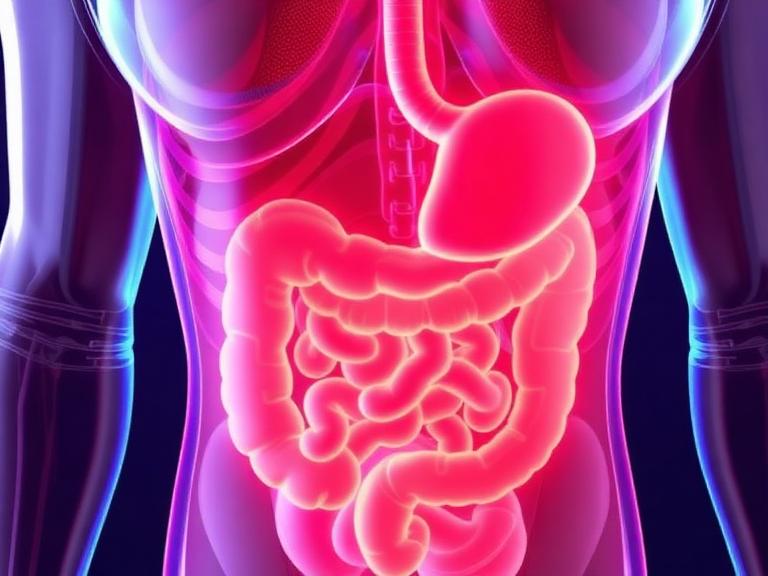
You finally decide to try a GLP-1 medication—maybe for weight loss, maybe to get your blood sugar under control. But the real surprise isn’t the shot itself. It’s your stomach suddenly acting up with nausea, bloating, weird constipation, even those notorious sulfur burps that seem to appear out of nowhere. Honestly, for many, dealing with gut discomfort ends up being the hardest part of this whole process.
Drugs like semaglutide and tirzepatide have pretty much turned the tables on diabetes and obesity care. Name brands like Wegovy, Ozempic, and Zepbound are a big deal, helping millions lose weight and feel healthier. But now, doctors and researchers are zeroing in on one stubborn issue: digestive side effects. Nausea, vomiting, diarrhea, constipation, and bloating pop up over and over in patient stories and medical reports.
The thing nobody really tells you? Your gut isn’t just passively reacting; it’s part of the action. GLP-1 drugs purposely slow your digestion so you feel full longer—and for some, that can feel less like science and more like a traffic jam inside your stomach. Some folks settle in after a few weeks. Others struggle for months, dealing with symptoms that mess with their sleep, hydration, and even their mood. But here’s the upside: most of these stomach issues can be managed. Understanding why they happen puts you back in control. This guide breaks down the big GI problems tied to GLP-1 drugs, the symptoms you shouldn’t ignore, and practical ways to protect your digestion (and sanity) while sticking with your treatment.
Why So Many Get Stomach Trouble from GLP-1
How GLP-1 Medications Mess with Digestion
GLP-1 meds copy a hormone called glucagon-like peptide-1—your body’s natural regulator for blood sugar, appetite, and digestion. The big impact: it slows down how quickly your stomach empties. Food hangs out longer before moving to your intestines. That’s great for hunger control and weight loss, but it’s also why your stomach feels off. Picture your stomach as a grocery store checkout. Normally, food moves along at a steady clip. GLP-1 slows down the conveyor belt, leaving everything to linger. It can leave you feeling stuffed, heavy, or sometimes downright nauseous—like food just won’t budge. Clinical studies show stomach issues are the top reason people quit GLP-1 treatment early. Nausea tends to hit hard, especially when your dose goes up. Anyone with preexisting digestive woes can be extra sensitive. So yes, slowing digestion helps with appetite, but if it slows TOO much, you get all sorts of problems—constipation, reflux, even vomiting. It’s a balancing act.
Why Slow Digestion Feels So Weird
“Delayed gastric emptying”—sounds harmless, right? Not so much when you’re living it. Imagine eating dinner at 7 p.m. and feeling full until breakfast. Your body takes ages to process meals, so your appetite drops, and sometimes your energy goes down too. This slow pace affects hydration, nutrient absorption, bowel movements—basically your whole routine. People often feel tired because they’re eating less than their body needs. Dehydration creeps up quicker than you’d expect, especially if nausea strikes. Surgeons and gastro docs are now extra careful before procedures; food can linger longer than expected in GLP-1 users’ stomachs. For most, mild issues fade as your body gets used to the medicine. But sometimes severe slowing looks a lot like gastroparesis—nausea, vomiting up undigested food, bloating, or belly pain. Those cases deserve real attention.
The Most Common GI Side Effects on GLP-1
Nausea and Vomiting
Nausea is basically the GLP-1 poster child. It kicks in early (especially when doses go up), and feels like mild motion sickness for some; for others, it’s enough to ruin their day. The culprit is slow stomach emptying. Big or greasy meals just make it worse. Some notice nausea in the morning, some after eating. Vomiting happens when the digestive system can’t keep up. The classic mistake? Eating the same portions as before starting GLP-1. You can’t get away with it. Smaller meals, slow eating, and avoiding heavy foods make a difference. You’ll see people talk about sulfur burps, sour stomach, and vomiting on social media, especially at higher doses. Sure, it’s not clinical data, but it’s everywhere—so you know it’s real.
Read more Side Effect on GLP-1
Diarrhea and Constipation
Here’s the odd part: GLP-1 meds can cause both diarrhea and constipation, sometimes in the same person. Your gut becomes kind of unpredictable. Constipation is common because the intestines slow down, and eating less or being dehydrated only makes it worse. People go from daily bowel movements to a few times a week, with bloating and discomfort. Diarrhea can pop up when the gut overreacts, especially to fatty food. Some describe sudden bathroom urgency that interrupts work or sleep. Researchers dove into over 400,000 online GLP-1 discussions—GI symptoms were by far the biggest headache. Hydration matters a lot here; repeated vomiting or diarrhea sap your fluids, leading to dizziness, headaches, and fatigue.
Bloating, Gas, and Sulfur Burps
Sulfur burps—those rotten egg smells—are unusually common. They happen because food sticks around longer and ferments. Bloating and gas hit because your digestive tract just isn’t moving like it used to. Junk food, soda, desserts, fried stuff—they all make it worse. Even fiber-rich, “healthy” foods can trigger bloating if you suddenly ramp up intake. Symptoms are unpredictable. You might tolerate one meal perfectly and another, not at all. Keeping a food diary helps spot patterns. Gentle walks after meals (10–15 minutes) calm digestion. Eating smaller, frequent meals instead of big plates is a classic GI doc tip.
Acid Reflux and Indigestion
Food sitting in the stomach sets the stage for reflux. Heartburn, chest discomfort, indigestion—especially after eating late. Lying down soon after meals makes it worse. Triggers: spicy foods, caffeine, alcohol, fried meals. Some wake up to burning sensations or sour fluid in their throat. Indigestion can cause “what if” anxiety since it sometimes mimics more serious problems. If pain is really bad, especially in the upper abdomen or chest, get it checked out
Stomach Symptoms Not to Ignore
Signs of Severe Dehydration
Nausea is common—severe dehydration isn’t. Vomiting and diarrhea can quickly drain you, especially if you’re already eating less.
Warning signs include:
- Dizziness or fainting
- Dark urine
- Rapid heartbeat
- Dry mouth
- Severe weakness
- Confusion
Semaglutide prescribing info now flags dehydration as a legit risk if GI reactions are severe.
Pancreatitis Warning Signs
Pancreatitis is rare, but serious. Agencies recently added stronger warnings.
Symptoms:
- Severe abdominal pain
- Pain going to the back
- Persistent vomiting
- Fever
- Tender belly
This isn’t ordinary stomach discomfort—it’s intense and demands urgent care.
When “Delayed Gastric Emptying” Becomes Dangerous
If you can’t eat, keep vomiting, or feel stuffed after tiny meals, your GI tract might be too slow. Let your doctor check it out—never just assume “It’s normal because I’m on GLP-1.”
Why GI Problems Hit Some People Harder
Dose Escalation and Strength
GLP-1 meds start low and ramp up slowly so your gut has a chance to adjust. Increase doses too fast, and symptoms usually get worse. Lots of folks do fine at lower doses but struggle as strength climbs.
Existing Gut Conditions
If you already have IBS, reflux, gastritis, or anything else gut-related, GLP-1 can dial things up. Just means you’ll need more personalized management—not necessarily that you can’t use the meds.
Food Choices and Eating Habits
What you eat matters—heavy, greasy meals make everything worse. Eating fast or overeating also cranks up symptoms.
Most patients feel better when sticking to: Lean protein Smaller portions Bland foods during flare-ups Slow chewing Steady meal times
How People Actually Feel Using GLP-1
Patient Reports
Online forums are full of real talk. Some adjust after weeks, others battle diarrhea or nausea for months. The biggest theme is unpredictability. Symptoms fade, then come back after a dose change or food slip. There’s genuine emotional grief too—digestive woes interfere with work, travel, and even social life.
Emotional and Lifestyle Impact
Gut symptoms aren’t just physical. Nausea kills motivation, drains energy, erodes confidence. Anxiety builds over public eating or needing the bathroom. Lots say they’re proud of their weight loss, but GI misery takes a toll. It’s essential to have honest talks with your doctor—you shouldn’t just “suck it up” through major symptoms.
How to Handle GLP-1 GI Side Effects Naturally and Safely
Best Foods for GLP-1 Users
Simple, gentle foods are easiest on your gut. Dietitians often suggest:
Go for:
- oatmeal, bananas,
- rice,
- grilled chicken,
- soup,
- yogurt Avoid: fried foods,
- sweets,
- heavy cream sauces,
- soda,
- spicy foods,
- large fast-food meals
Eating slowly is underrated—your stomach and brain need time to sync on GLP-1.
Hydration
- Don’t overlook drinking water.
- Sip regularly, instead of gulping big amounts.
- If you’re vomiting or have diarrhea, an electrolyte drink helps—especially after exercise or in hot weather.
Smarter Portion Control
Small meals are smoother on your stomach. Four or five lighter meals a day beats three heavy ones.
Tips: Stop eating before you feel stuffed Chew your food well Don’t lie down right after eating Keep meals basic during flare-ups
Sleep, Movement, and Stress
Stress amplifies GI symptoms—no surprise. Gentle movement, solid sleep, relaxation, all help your gut calm down. Even a quick walk after dinner can ease bloating.
Expert Tips for GLP-1 and Gut Health
What Gastroenterologists Say
The typical advice: slow dose increases, hydration, tweak your diet. Every person responds differently, so individualized care is key. Researchers keep looking at long-term digestive impacts, but for now, personal adjustment matters most.
Good Questions for Your Doctor
- Ask: Are these symptoms typical or worrying?
- Should I change my dose?
- Is there a better medication?
- How can I avoid dehydration?
- Could something else be causing my stomach issues?
Conclusion
GLP-1 medications are changing the game for obesity, diabetes, and metabolic health—but gut side effects are a big challenge. Nausea, constipation, bloating, diarrhea, acid reflux: these aren’t just minor annoyances for a lot of people. They impact daily life, sleep, work, and confidence.
The real story is that these symptoms happen because your gut’s rhythm is intentionally changed. For some, adjustment is quick. For others, it takes careful meal planning, hydration, slower dosing, and steady communication with your care team.
The best part? Most stomach issues improve if you use the right strategies and keep realistic expectations. Tune in to your body, eat smaller meals, drink up, and don’t ignore warning signs. The goal isn’t just weight loss or blood sugar control—it’s sustainable health, period.
FAQs
1. How long do gastrointestinal side effects last with GLP-1 medications?
Mild gut symptoms usually fade in a few weeks as your body settles in. Some folks feel them longer, especially with dose increases.
2. What’s the most common GLP-1 digestive problem?
Nausea tops the list, followed by constipation, diarrhea, bloating, and vomiting.
3. Can GLP-1 meds permanently damage the stomach?
Serious complications are rare. Still, if stomach issues are severe and persistent, talk to your doctor—just to rule out things like pancreatitis or gastroparesis.
4. What foods should I avoid on GLP-1?
Greasy dishes, large portions, sugary desserts, spicy foods, sodas—these all tend to make symptoms worse.
5. Should I stop taking my GLP-1 medication if I feel sick?
Don’t quit meds on your own. If symptoms are severe or disrupt your life, call your healthcare provider for guidance.