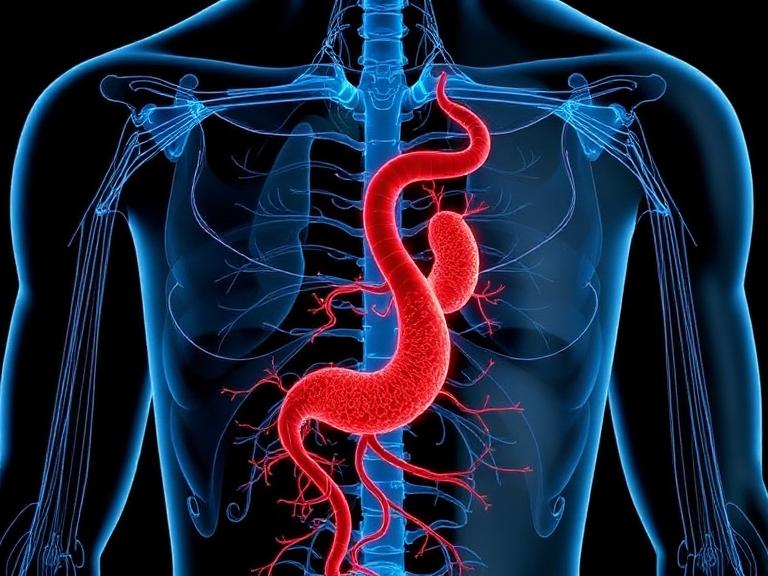
Life without a pancreas is rather an unusual thing.What if it is possible?Pancreas is a tiny organ, but its work is rather significant in terms of regulating glucose level in blood as well as digesting food.However, there is a surprising fact – we can actually live without a pancreas after removing it with surgery.Pancreatectomy is a medical term for this operation.When you operate on any organ, you simply take away the whole system of internal organs and replace them with external ones.Difficult, but possible.Now it’s time to talk about some details of living without it.We will talk about reasons to operate, changes in body and adjustments to the new way of life.
Understanding the Pancreas and Its Role in the Body
This organ is situated behind the stomach.It performs a very significant function.
The pancreas acts like a dual-function factory. It supports both digestion and blood sugar control.
Endocrine Function – Blood Sugar Control
The pancreas produces hormones such as insulin and glucagon.
These hormones work like a balancing scale. Insulin lowers blood sugar after meals. Glucagon raises it when it drops too low.
Without this balance the body struggles to maintain energy levels.
When the pancreas is removed this natural system disappears completely.
That means the body can no longer regulate blood sugar on its own. This leads to diabetes.
Exocrine Function – Digestion Support
The pancreas also produces enzymes. These enzymes break down fats, proteins and carbohydrates.
Without these enzymes food passes through the system without being properly absorbed.
This leads to nutrient deficiencies, weight loss and digestive discomfort. Unless enzyme replacements are taken with every meal.
Why Do People Need Pancreas Removal Surgery?
A total pancreatectomy is not a surgery. Doctors only recommend it when the pancreas is severely damaged or diseased.
Common Medical Reasons
Some of the conditions include:
- Pancreatic cancer
- Severe chronic pancreatitis
- Genetic disorders that increase cancer risk
- Serious pancreatic. Trauma
When Surgery Becomes Necessary
In cases doctors try to save part of the pancreas.
When the disease spreads throughout the organ or becomes life-threatening removing the entire pancreas may be the only option left.
As medical experts explain this surgery is life-saving—but life-changing.
Life After Total Pancreatectomy
Adjusting to life after pancreas removal is not easy.. It is possible with structured care and discipline.
Immediate Changes in the Body
after surgery the body loses:
- Natural insulin production
- Digestive enzyme production
- Blood sugar regulation ability
This leads to a condition called pancreatogenic diabetes.
Long-Term Medical Dependence
To survive patients need support:
- Insulin therapy
- Pancreatic enzyme replacement capsules
- Frequent blood sugar monitoring
Without these the body cannot properly function.
Daily Life Challenges of Living Without a Pancreas
Life after surgery becomes a balancing act. Every meal, every activity and even stress levels can affect blood sugar.
Blood Sugar Instability
Unlike diabetes blood sugar swings can be more unpredictable.
This happens because the body also loses glucagon. Glucagon normally prevents blood sugar episodes.
Digestive Issues
Without enzymes people may experience:
- Bloating
- Fatty stools
- Weight loss
- Nutrient deficiencies
Emotional and Mental Health Impact
Adjusting to injections and dietary control can feel overwhelming.
Many patients describe it as “learning a way to live inside their own body.”
Diet and Nutrition After Pancreas Removal
Food becomes medicine after surgery. Eating habits must change significantly to maintain stability.
What You Can Eat
A balanced diet usually includes:
- Lean proteins like chicken, fish and eggs
- Whole grains in controlled portions
- Healthy fats in moderation
- Fiber- vegetables
Foods to Limit
Certain foods can make management harder:
- High-sugar foods
- Deep-fried or greasy foods
- Large heavy meals
Eating Strategy That Works Best
Doctors often recommend:
- frequent meals instead of large portions
- Eating at times daily
- Matching insulin doses carefully with food intake
This structured approach helps avoid blood sugar fluctuations.
Benefits and Risks of Living Without a Pancreas
Although the surgery is life-saving it comes with trade-offs.
Potential Benefits
- Removal of cancer or diseased tissue
- Relief from pancreatic pain
- Improved quality of life in certain chronic cases
Major Risks and Side Effects
| Category | Risks |
|---|---|
| Metabolic | Lifelong diabetes, unstable glucose levels |
| Digestive | Malabsorption, enzyme deficiency |
| Nutritional | Vitamin deficiencies, weight loss |
| Surgical | Infection, complications after surgery |
Managing these risks requires constant medical supervision.
Expert Tips for Managing Life After Surgery
Living without a pancreas is not about medication—it’s about lifestyle adaptation.
Monitor Blood Sugar Regularly
Frequent glucose checks help prevent emergencies.
Many patients use glucose monitors for better control.
Skip Enzyme Medication
Digestive enzyme capsules must be taken with every meal.
Missing them can lead to nutrient absorption.
Stay Active
Light exercise helps stabilize blood sugar levels and improves digestion.
Work Closely with Healthcare Providers
Endocrinologists, dietitians and primary care doctors all play a role in long-term care.
Can a Person Live Without a Pancreas?
Yes a person can live without a pancreas.. They need lifelong medical support.
What is Life Expectancy After Pancreas Removal?
Life expectancy depends on factors:
- Reason for surgery
*. Overall health
- Ability to manage diabetes
- Access to care
What Can’t You Eat Without a Pancreas?
After surgery there is no absolute “forbidden food.”
Some foods should be avoided or limited:
- Sugary. Sweets
- High-fat fast foods
- Large heavy meals
- Alcohol
Conclusion
Living without a pancreas may sound overwhelming.. Modern medicine has made it possible for people to continue living meaningful lives after pancreas removal surgery and total pancreatectomy.
The journey however is not simple. It requires insulin therapy, enzyme replacement, disciplined eating habits and continuous monitoring.
FAQs
Can a person live without a pancreas?
Yes, but they need insulin therapy and digestive enzyme replacement to survive.
What is the life expectancy after having your pancreas removed?
It depends on the underlying condition. Patients with non-cancer conditions generally have better long-term survival than those with pancreatic cancer.
What are the side effects of having your pancreas removed?
Common side effects include diabetes, digestive issues, weight loss and nutrient deficiencies.
What can’t you eat without a pancreas?
sugar, high-fat and heavily processed foods should be limited.
Is life after total pancreatectomy very difficult?
It is. Manageable, with proper medication, diet control and regular medical monitoring.