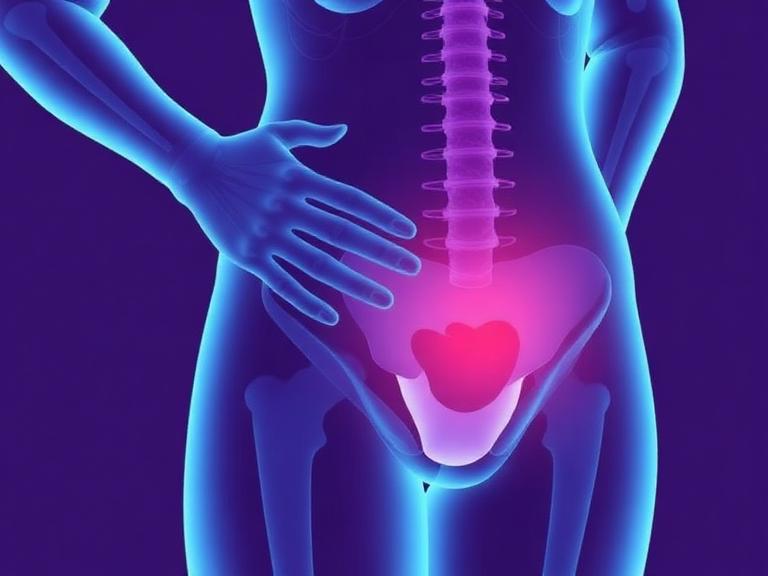
Urinary tract infections (UTIs) can be hard to deal with if you don’t get treatment early enough. If you ignore the symptoms like an annoying urge to pee, the problem can escalate into something a lot worse. Early symptoms of a UTI can just feel like you don’t drink enough water, but the pain can interrupt your sleep and make you close to insane with the constant interruptions. UTIs can be a really common type of bacterial infection. However, they can be much more common for woman and the elderly. The CDC defines a UTI as when there is an infection in a urinary tract system, which includes the urethra and even the kidneys.
The most frustrating part about a UTI can be even after you treat the problem, it can just happen all over again. It can be a burden to deal with a chronic UTI and it can take a toll on your mental health if you can’t be productive because you’re constantly searching for a toilet. There can be a loss of confidence and it can become very hard to control when you’re forced to do this many trips throughout the day.
Because UTIs aren’t usually characterized by the classic burning when you need to urinate as a symptom in the elderly, it is necessary to be on the lookout for other early symptoms to help avoid other complications that can come with not treating the UTI. It can also help improve recovery time once you do have to deal with the infection.
What is a UTI in Adults?
A urinary tract infection is the infection of any structure of the urinary system (kidneys, ureters, bladder, and urethra). Escherichia coli and other bacteria are the usual culprits of UTI’s. Most infections are of the bladder. However, infections can also be of the kidneys, and, if that is the case, must be taken more seriously because of the detrimental delay in treatment. Urinary system infections can be comparable to the irritation and inflammation of a clean drinking water plumbing system with bacterial invasion that causes systemic and localized inflammation. When this happens, “pipes” become clogged.
Compared to bladder infections, kidney infections are generally more serious and harder to manage. Infections that are left untreated by the CDC cause a broader range of “localized” infections with a greater risk of greater consequences.
There are many reasons and risk factors as to why urinary infections are so common. Bacterial entry to the urethra is simple from the rectum and skin. Sexual activity, dehydration, and hormonal shifts are also a risk factor, and a contributing factor are the insertion of urinary catheters, and other pathological conditions. According to the CDC, catheter associated urinary tract infections are among the most common hospital acquired infections.
The use of older antibiotics has not been effective in treating a multitude of new bacterial infections due to the advancement of infection control strategies. In 2025, the Federal Drug Administration plans to release a new class of antibiotics specifically designed to treat uncomplicated urinary tract infections. The rise of uncomplicated urinary tract infections and the increasing number of complicated cases can, in part, be blamed on the availability of no treatment options. Patients may potentially worsen their condition by self-prescribing leftover antibiotics.
Common UTI Symptoms in Adults
Bacterial infection of the urinary tract can happen in many different ways considering the different pathways of infection. In some instances, there can be no manifestation of the infection, while, in others, there can be major issues, like fever. The most famous problem with a urinary tract infection is the intense, burning, and painful feeling associated with urination. Many individuals also develop the inability to control their bladder and, subsequently, the overwhelming feeling that they need to urinate is constant. The individual almost may feel that there is a false alarm for urination going off non-stop.
U.T.I. Symptoms in Women:
Some of the most common include:
- Pain while urinating, or a burning sensation.
- Pelvic pressure, or pain in the lower abdomen.
- An increased urge to urinate.
- Urine that is cloudy and has a strong smell.
- Urine that is blood-tinged.
- Increased fatigue or irritability.
Due to hormonal changes, menopausal women are at a higher risk of developing UTIs due to changes to the vaginal tissues and other areas. For women, UTIs are more likely to develop because of the movement of bacteria to the urethra after sexual intercourse.
U.T.I. Symptoms in Men
Compared to Women, Men experience UTIs less frequently; however, their symptoms include:
- Pain while urinating, and the pain in the lower abdomen near the rectum.
- Difficulty urinating.
- Chills and a fever with flu-like symptoms.
- Increased urination that is not only frequent, but also occurs more often at night.
For men who are older than 50, it is more likely that developing a U.T.I. will occur due to an enlarged prostate and urinary blockage.
Kidney Infection Symptoms:
When an infection reaches the kidneys and a kidney infection occurs, the symptoms worsen and include:
- Chills and a fever.
- Pain in the lower back and sides.
- Nausea and vomiting.
- Severe fatigue.
Kidney infections are more dangerous than regular urinary infections and “waiting” to seek treatment is not an option. The infection will reach your blood and infect you with sepsis, which can be fatal. The CDC recommends going to the emergency room for severe symptoms.
U.T.I. Triggers
The first of many defense mechanisms against U.T.Is. is recognizing and understanding its causes. A large majority of all U.T.Is. concern bacteria that have migrated from the digestive tract to the urinary tract via the urethra. Once bacteria have invaded the urinary tract, they multiply. There are many ways U.T.I. causing bacteria, and even the external environment can trigger their reproduction, like holding urine.
The trigger most recognized for young adult U.T.Is. is sexual activity, while some contraceptives and spermicides may act as triggers too. Women experience U.T.Is. more frequently than men, because of the anatomical differences of the placement of the urethra and rectum. Pregnancy can also U.T.Is. by altering the flow of urine and the distribution of hormones.
For men, urine flow can be obstructed by an enlarged prostate or kidney stones, as well as U.T.I. inducing catheters. Among the elderly, a weakened immune system due to chronic illness can be a cause. The CDC has reported a strong association between the hospital acquired U.T.I. and urinary catheters in a majority of cases.
Certain lifestyle habits can cause U.T.Is., as well as holding bathroom breaks, failing to properly wipe, poor hygiene, and not drinking enough water. Diabetes can also be a cause, as high blood sugar can increase bacteria and infection, while simultaneously lowering immunity.
Common UTI Risk Factors
Here is a list of common UTI risk factors.
- Female sex.
- Shorter urethra.
- Sexual intercourse.
- Menopause.
- Use of catheters.
- Diabetes.
- Kidney stones.
- Poor immune system.
- Lack of hydration.
- Chronic urinary tract infection.
Chronic Urinary Tract Infections
For most adults, urinary tract infections become chronic. Chronic urinary tract infection is defined as having two urinary tract infections within a six-month period or having three infections within one year. These infections can drag on as the symptoms return almost immediately after she has been deemed cured of the infection.
The return of the infection is usually due to an insufficient cure and the bacteria been left untreated, or a new strain of bacteria been introduced to the urinary tract. This can occur naturally, or can be due to kidney stones or some bladder disturbances, hormonal, or balance-related issues.
For most women, recurrent urinary tract infections consist of a cycle where antibiotics are prescribed to treat the infection and then, once the infection is treated, the cycle resumes as the infection returns. There are even women who avoid intimacy and travel to reduce the risk of urinary tract infections. The burden and emotional stress caused by this are significant and should never be overlooked.
For chronic infection treatment, doctors examine urine through culture, use imaging, or refer you to a specialist. Some may benefit from the use of vaginal estrogen, post-menopausal estrogen, or preventative antibiotics. Hydration and urinary hygiene can help reduce the risk.
It has become increasingly difficult to treat chronic infections due to the resistance to antibiotics. Doctors are showing more caution towards prescribing antibiotics when dealing with chronic infections of what were once considered simple infections.
Diagnosis and Medical Testing
When urinary tract infections (UTI) are suspected, doctors usually begin with a medical history and physical exam to assess the symptoms. The first step usually involves an evaluation of the patient’s urinary sample. The physician’s main goal with the sample is to determine whether or not the urine contains bacteria, leukocytes, or blood. To help aid in the analysis, a urine culture may be requested.
In the case of a simple and uncomplicated bladder infection, the process involved in determining the infection is relatively simple. When the symptoms of a bladder infection are complicated and/or the infection is recurrent, the diagnostics process is usually complicated and prolonged. In this case, a thin, imaging may be performed to evaluate the renal anatomy for the presence of an obstructive stone, or other structural abnormalities of the urinary tract.
Patients may also believe their symptoms are self-limiting and not seek medical care. This may be the most dangerous option discussed. Annoying bladder symptoms may progress to dangerous, even life-threatening, situations like a kidney infection. High grade or low grade fevers, extreme vomiting and/or back pain, and changes in consciousness require immediate medical care.
Instead of typical urinary symptoms, the elderly may instead present with weakness and changes in appetite. There may be a delayed diagnosis for infection because the elderly are often seen as being weak and tired. There is an increasing belief that the hospitalization of the elderly due to a previously underestimated non-serious infection is the new norm.
UTI Treatment Options
Bacterial UTIs are common in the elderly population and are easy to treat with short courses of antibiotics. The choice of antibiotic depends on the infecting bacteria and the patient’s history as well as the seriousness of the infection. Many uncomplicated infections are treated in a matter of days, while the remaining course needs to be completed to avoid a relapse.
There are treatments to lessen the burning and/or painful sensations caused by the infection, while the infection and the burning and discomfort will start to go away. The urinary tract will naturally eliminate the infection causing bacteria with an adequate fluid intake. The best way to maintain hydration is to drink water. Water helps the bladder do its job while not contributing to the irritation.
The following remedies may ease some of the symptoms:
- Drink a lot of water
- Avoid both alcohol and caffeine
- Place a heating pad on the stomach
- Get additional rest
- Avoid holding urine
Cranberry juice is a natural remedy urinary infections. However, studies do not support it, and it should not be the main remedy. With the threat of antibiotic resistance, it becomes a greater challenge of treating infections. Therefore, it becomes more critical to get the proper diagnosis and treat with antibiotics more carefully.
What are the risks of leaving a UTI untreated for two weeks?
Disbelieving and uninformed people think the symptoms of a urinary tract infection (UTI) gradually fade away if a doctor is not seen. This is not only the case, but will only get worse over the two weeks. Suffering through the burning of a bladder infection will eventually turn into a full infection of the kidneys. The symptoms of a bladder infection will be the same, but worsen to_include_pain.nil, nausea, and chills. As if the infection itself could not get worse, it would then become a fever. Infections will not only get worse, but will also spread through the bladder and kidneys to your blood. This is then a life threatening, treatable condition, called sepsis. The most likely to suffer are the elderly and the already sick, but any adult who was once so-called healthy will suffer the consequences of letting the infection go beyond the burning symptoms.
Inflammation of the bladder and urinary tract can be chronic and can be life altering, even if not life threatening. It is a type of persistent, recurring, and debilitating condition.
For those with a urinary tract infection, the only and best treatment is to seek a doctor if any other symptoms remain. This includes any pain with fever.
Ways to Naturally Manage UTI Risk
It is possible to learn habits and make small adjustments to help manage the risk of developing UTIs. Think of UTI prevention like gardening, the motivation to consistently manage the garden must be there, or else problems will grow.
Some preventative measures that are especially effective include:
- Drinking plenty of fluids
- Urinating after sexual intercourse
- Not delaying urination
- Front to back wiping
- Cotton underwear
- Less irritating menstrual products
- Balanced blood sugar levels for diabetic individuals
A very easy habit to take up to manage UTI risk includes drinking more fluids. The more you have to urinate, the less likely bacteria will have the opportunity to remain in your bladder. Many people find that consuming more fluids regularly results in a noticeable reduction of urinary tract infections.
Women who are postmenopausal should consider discussing Vaginal Estrogen Therapy with their Providers. Post-menopause, hormone changes adversely affect women’s vaginal and urinary protective bacteria. Adults with recurrent urinary tract infections should work with their Providers to discuss medications, bladder training, and any further evaluations to rule out underlying conditions.
Additional Tips from Experts
Supporting your body’s natural healing has been shown to be equally as advantageous as fighting the infection with antibiotic medication. Giving your body much needed rest allows your body to fight the infection.
Some of the expert’s advice:
- Complete the entire course of prescribed antibiotics, even if you feel better
- Don’t consume caffeine during the recovery period
- Increase water intake
- Seek further medical attention if other symptoms develop
- Be alert to fever and back pain
The most commons mistakes are prematurely ceasing antibiotic medications, allowing the infection to return as a resistant infection. Listen to your body and give its the rest and recovery it needs. Don’t ignore frequent and bothersome UTIs.
Conclusion
Despite UTIs being a common condition, they should never be dismissed. Ignoring them can lead to serious long-term issues and they can also be life-threatening. The symptoms of burning urination, pelvic pain, back pain, and fever are your body’s way of communicating.
Stopping UTIs from increasing in severity is directly linked to how fast you recognize the symptoms. UTIs that are left to recur become more painful and inconvenient. Health management and treatment of UTIs has improved immensely and has opened many more options for adults.
At the beginning of a health issue, the symptoms are often not very obvious and can be mild. The body alerts us of a more pressing issue when these symptoms become serious and require a fast intervention. The best choice for your body is to act and treat all of these health concerns as early as you can.
Frequently Asked Questions
What are some symptoms of a UTI in adults?
Some of the symptoms of a UTI can be painful urination, irritation in the pelvic area, and an urgent feeling to urinate. Cloudy urine, and back pain, can occur, too, when there is a more severe UTI, and may require more serious interventions. The more severe the infection gets, the more symptoms can include fever and nausea.
What happens with an untreated UTI after two weeks?
Unless you are elderly or your immune system is weak, after two weeks a regular UTI will not evolve into something more serious like a kidney infection or sepsis.
What are other causes of urinary tract infections?
A UTI is generally caused when bacteria enter the urinary tract through the urethra. Other causes include other infections, poor hygiene, sexual intercourse, and dehydration. Kidney stones and the presence of a catheter can increase your risk.
What are the symptoms of a UTI?
A UTI makes the process of urination extremely painful and urgent. You may also experience pain in your abdomen, bladder, and the constant feeling of a full bladder. You also may experience cramps and fatigue.
Is the experience of a UTI the same for men and women?
No, men and women experience UTI’s differently. With women, urinary tract infections are more common because they have shorter urethras which makes it easier for bacteria to enter the bladder. Additionally, for women changes in hormones or increased sexual activity can make UTIs even more likely.
What effect does drinking water have on a UTI?
Water soothes a UTI by flushing the urinary tract, but it only soothes the irritation. A bladder infection is bacterial and requires antibiotics.