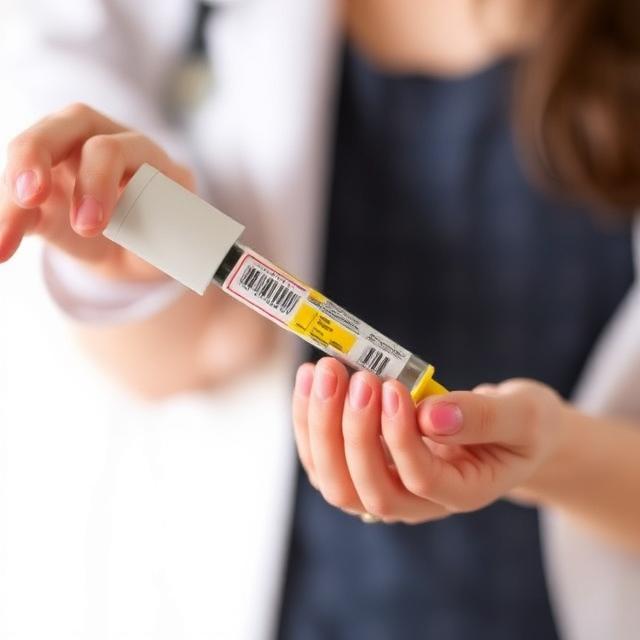
A few years ago, most people had never heard the term GLP-1 microdosing. Today, it’s everywhere — TikTok videos, Reddit forums, wellness podcasts, and even dinner table conversations. Weight-loss medications like Ozempic, Wegovy, and Mounjaro have completely changed the way many people think about obesity, cravings, and appetite control. But along with the excitement came a new trend: taking very small doses of these medications instead of following the standard prescription schedule.
For some people, the idea sounds appealing. Maybe they want to lose just 10 or 15 pounds. Maybe the full dose caused nausea, bloating, or fatigue. Others are simply trying to stretch an expensive prescription longer because insurance will not cover it. In online communities, users often describe microdosing GLP 1 medications as a “gentler” approach that gives them appetite control without intense side effects. Some even compare it to dimming the lights instead of flipping the power switch completely off.
The trend has grown so quickly that doctors are now openly discussing it in medical interviews and health publications. A recent report from STAT News explained that there is still no official medical definition for glp 1 microdosing, and experts remain divided about whether it is truly effective or just another wellness craze. What makes the conversation even more complicated is that many people genuinely report positive experiences, while researchers continue warning that long-term evidence is limited.
That tension between personal success stories and scientific uncertainty is exactly why this topic matters. If you have been wondering what is microdosing GLP 1, this guide breaks it down in plain English without the hype, fear tactics, or unrealistic promises that dominate social media.
What Is GLP-1 Microdosing?
To understand GLP-1 microdosing, it helps to first understand what GLP-1 medications actually do inside the body. GLP-1 stands for glucagon-like peptide-1, which is a hormone naturally produced in the gut. This hormone helps regulate blood sugar, slows stomach emptying, and signals fullness to the brain after eating. In simple terms, it helps people feel satisfied sooner and stay full longer.
Medications like semaglutide and tirzepatide mimic or enhance these effects. That is why they became widely used for both type 2 diabetes and weight management. Standard dosing schedules are carefully designed to increase slowly over time so the body can adjust. For example, many people start semaglutide at 0.25 mg weekly before gradually moving higher depending on their treatment goals.
Microdosing GLP 1 means taking much smaller amounts than the officially recommended doses or spacing doses farther apart. Some people use tiny fractions of the starting dose, while others inject less frequently than once per week. The problem is that there is no universal definition. One doctor may consider 0.125 mg a microdose, while another may define it differently entirely.
That lack of consistency is one reason medical experts remain cautious. The FDA has not approved any formal microdosing protocols for these drugs. Researchers also have very limited clinical trial data showing whether extremely low doses provide meaningful long-term results. Despite this, interest keeps growing because many users claim they still experience reduced cravings, fewer binge-eating episodes, and improved appetite awareness even at smaller doses.
Think of it like coffee. Some people need a large cup to feel energized, while others become jittery after a few sips. Human metabolism varies dramatically, and that variability is partly fueling the microdosing movement.
Common GLP-1 Drugs Used for Microdosing
When people discuss glp-1 microdosing, they are usually talking about one of two major medications: semaglutide or tirzepatide. Both belong to a class of drugs that affect appetite and blood sugar regulation, but they work slightly differently.
Semaglutide
Semaglutide is the active ingredient in medications such as Ozempic and Wegovy. It has become one of the most recognized weight-loss medications in the world. Standard treatment plans gradually increase dosing over time to reduce side effects while improving effectiveness.
People experimenting with semaglutide microdosing often use doses far below the typical starter level. Online forums frequently mention doses like 0.05 mg or 0.1 mg weekly. Some users report that even these tiny amounts reduce “food noise,” which is the constant mental chatter about eating, snacking, or cravings.
Tirzepatide
Tirzepatide, sold under brand names like Mounjaro and Zepbound, works slightly differently because it targets both GLP-1 and GIP receptors. Many people describe it as stronger or more effective for weight loss, though it can also produce stronger gastrointestinal side effects in some individuals.
People interested in microdosing glp 1 medications sometimes prefer tirzepatide because they believe smaller doses may still offer appetite suppression without overwhelming side effects. According to recent clinical observations shared by telemedicine physicians, some patients who reached goal weight later maintained results on lower maintenance doses.
One important thing to remember is that these medications are still prescription drugs with real biological effects. Even tiny doses can influence digestion, hunger hormones, and blood sugar regulation. That is why healthcare supervision matters far more than social media trends.
Why People Try Microdosing GLP 1
The reasons people try GLP-1 microdosing are surprisingly emotional as well as practical. Weight loss is deeply personal. For many individuals, the decision is not simply about appearance. It may involve confidence, chronic health problems, emotional eating, menopause-related changes, insulin resistance, or years of frustration after failed diets.
One of the biggest motivations is reducing side effects. Full-dose GLP-1 medications can cause nausea, constipation, vomiting, bloating, fatigue, or stomach discomfort. Research analyzing thousands of online discussions found gastrointestinal side effects were among the most commonly reported issues. Some people feel miserable at higher doses and begin experimenting with smaller amounts hoping for a gentler experience.
Cost is another huge factor. Brand-name GLP-1 medications can cost hundreds or even thousands of dollars per month without insurance coverage. Stretching medication by using smaller doses may feel financially necessary for some users. Cleveland Clinic experts have warned that this practice becomes risky when people manipulate compounded medications themselves or use expired supplies.
Another common reason is maintenance rather than dramatic weight loss. Some individuals who already reached their goal weight say they use low doses occasionally to help control appetite or prevent weight regain. Online communities are full of personal stories from people describing lower “food noise” even with reduced dosing schedules.
There is also a psychological component that rarely gets discussed openly. Many people fear becoming dependent on medication forever. Microdosing can feel emotionally safer because it seems less extreme than long-term full-dose treatment. Whether that perception matches scientific reality is still uncertain.
GLP-1 Microdosing Chart and Typical Dosing Patterns
One of the most searched phrases online right now is glp-1 microdosing chart. People want exact numbers, schedules, and instructions. The challenge is that no official chart exists because microdosing is not standardized medical practice.
Still, many online discussions compare standard starting doses with smaller unofficial amounts. Here is a simplified overview people commonly discuss online:
MedicationStandard Starting DoseCommon Unofficial Microdose DiscussionsSemaglutide0.25 mg weekly0.05–0.125 mg weeklyTirzepatide2.5 mg weekly0.5–1.25 mg weekly
These examples reflect anecdotal trends, not medical recommendations.
The lack of standardization is exactly what concerns healthcare professionals. Some people split doses incorrectly, use compounded products with uncertain quality, or misunderstand syringe measurements entirely. Even small dosing mistakes can become dangerous, especially when medications are self-administered without supervision.
Another issue is that extremely low doses may not stay in the body consistently enough to provide stable benefits. Some experts warn that irregular dosing patterns could actually worsen side effects or create fluctuating appetite control.
If there is one thing readers should take away from this section, it is this: there is no universally accepted glp-1 microdosing chart, and any dosing changes should involve a qualified medical professional.
Potential Benefits of GLP-1 Microdosing
Despite the uncertainty, many people continue exploring microdosing glp 1 because they believe the potential benefits outweigh the downsides. Some of those perceived benefits are psychological, while others may involve genuine metabolic effects.
The most commonly reported benefit is appetite regulation. Users often say smaller doses help them feel calmer around food without completely eliminating hunger. Instead of obsessing about snacks all day, they describe a quieter mental relationship with eating. That subtle difference can feel life-changing for people who have battled cravings for years.
Another potential advantage is reduced side effects. Some users say tiny doses provide enough appetite control to help them eat smaller portions while avoiding the severe nausea that higher doses sometimes cause. This is one reason the trend continues growing despite limited evidence.
There is also emerging discussion about possible metabolic benefits unrelated to major weight loss. Some people use low doses hoping to support blood sugar control, reduce inflammation, or stabilize energy levels. Researchers are still studying these possibilities, and there is not enough evidence to confirm broad long-term benefits yet.
A fascinating aspect of this conversation is how individualized responses appear to be. One person may experience noticeable appetite suppression at a very low dose, while another feels absolutely nothing. Human biology is messy, unpredictable, and influenced by sleep, hormones, stress, medications, and genetics.
Still, experts continue stressing that personal anecdotes are not the same as scientific proof. Positive stories online can create unrealistic expectations, especially when influencers present microdosing as a harmless wellness hack instead of a medical decision.
Risks and Side Effects of Microdosing GLP-1
The biggest problem with GLP-1 microdosing is not necessarily that it never works. The problem is that researchers still do not fully understand the long-term consequences of using these medications outside approved dosing guidelines.
One major concern is under-treatment. If a dose is too low, people may not receive enough therapeutic effect to improve metabolic health, diabetes management, or obesity-related risks. They may spend large amounts of money chasing results that never truly materialize.
Another issue involves compounded medications. Compounded GLP-1 products do not undergo the same FDA review process as approved brand-name medications. Experts from the Cleveland Clinic have specifically warned about contamination risks, inaccurate dosing, and product inconsistency.
Nutritional problems can also develop if appetite suppression becomes too strong. Some people unintentionally eat too little protein, vitamins, or calories. Over time, this may contribute to muscle loss, fatigue, dehydration, or weakness. Doctors are especially concerned about vulnerable individuals with eating disorders or restrictive eating patterns.
There is also the emotional side of the equation. Social media often glamorizes rapid weight loss without discussing body image pressure, anxiety, or the mental strain that can come from constantly monitoring food and weight. In some cases, people may begin chasing smaller numbers on the scale rather than focusing on sustainable health.
One experienced endocrinologist recently warned that there is currently no strong evidence proving microdosing works safely over the long term. That does not mean every person will experience harm, but it does mean caution is essential.
What Doctors and Researchers Say
The medical community is still trying to catch up with the popularity of glp 1 microdosing. Right now, the evidence is mixed, incomplete, and evolving quickly.
Some physicians acknowledge that lower-dose strategies may help certain patients who are highly sensitive to medication side effects. Others cautiously support lower maintenance doses after significant weight loss has already occurred. But most experts agree on one thing: the science is still early.
Healthcare professionals repeatedly emphasize that current FDA-approved dosing schedules were developed through extensive clinical trials. Microdosing protocols largely exist outside those controlled studies. That means there are major unanswered questions about effectiveness, safety, nutritional impact, and long-term metabolic outcomes.
Dr. Judy Korner, an endocrinologist quoted by NewYork-Presbyterian, explained that microdosing is “not an officially recognized standard of care.” Similar concerns appear across multiple medical publications. Experts worry that online influencers sometimes oversimplify these medications or present them as cosmetic shortcuts rather than serious treatments.
At the same time, real-world patient experiences cannot be ignored entirely. Some individuals genuinely report meaningful benefits from lower doses, especially when transitioning into maintenance phases. That disconnect between clinical caution and personal success stories is why this topic remains controversial.
For now, the safest approach is individualized medical guidance rather than copying advice from strangers online.
Who Should Avoid GLP-1 Microdosing?
Not everyone is a good candidate for GLP-1 medications, and that becomes even more important when discussing unofficial dosing approaches.
People with active eating disorders or a history of severe restrictive eating should be especially cautious. Recent reports suggest doctors are increasingly alarmed about GLP-1 misuse among individuals struggling with anorexia, binge eating, or unhealthy body image patterns.
Pregnant individuals, people with certain gastrointestinal conditions, and those with a history of pancreatitis should also avoid experimenting without direct medical supervision. Anyone managing diabetes with insulin or additional blood sugar medications must be careful because improper dosing changes could affect glucose control.
Perhaps the biggest red flag is self-prescribing based purely on social media content. TikTok trends rarely explain full medical histories, drug interactions, or hidden health risks. What works for one person may be completely inappropriate for another.
Practical Tips for Safer Use
If someone is considering microdosing GLP 1, the smartest first step is having an honest conversation with a qualified healthcare professional. That may sound obvious, but many people skip this entirely because they feel embarrassed, frustrated about weight, or overwhelmed by online advice.
Keeping realistic expectations is equally important. These medications are not magic. Sustainable health still depends on nutrition, movement, sleep, stress management, and emotional well-being. Medication may support those habits, but it cannot replace them.
It also helps to monitor basics like hydration, protein intake, digestion, and energy levels. Appetite suppression sounds appealing until someone realizes they are barely eating enough nutrients to maintain muscle and daily functioning.
Most importantly, avoid chasing extremes. The goal should not be eating as little as possible or becoming unnaturally thin. The healthiest outcomes usually happen when people focus on feeling stronger, more energetic, and more in control of their habits instead of obsessing over a number on the scale.
Conclusion
GLP-1 microdosing sits at the intersection of modern medicine, internet culture, and personal health experimentation. Some people view it as a smarter, gentler approach to appetite management. Others see it as an unproven wellness trend filled with unknown risks. The truth probably lives somewhere in the middle.
What makes this topic so complicated is that human experiences are real, even when scientific data is incomplete. Some individuals genuinely feel better on smaller doses. Others may waste money, struggle with inconsistent results, or develop unhealthy eating patterns. Right now, the medical evidence simply has not caught up to the speed of online trends.
If there is one takeaway that matters most, it is this: these are powerful prescription medications, not harmless lifestyle supplements. Personalization matters. Medical supervision matters. Long-term health matters even more.
A thoughtful, balanced approach will always beat quick-fix thinking.
FAQs
What is microdosing GLP 1?
GLP-1 microdosing means using smaller-than-standard doses of GLP-1 medications like semaglutide or tirzepatide. Some people use lower doses to reduce side effects, save money, or maintain weight loss.
Is GLP-1 microdosing approved by the FDA?
No. There are currently no FDA-approved guidelines specifically for GLP-1 microdosing. Most protocols discussed online are considered off-label approaches.
Does microdosing GLP-1 help with weight loss?
Some people report appetite suppression and gradual weight loss with low doses, but strong scientific evidence is still limited. Results vary significantly between individuals.
Are there risks with microdosing GLP-1 medications?
Yes. Risks may include ineffective treatment, inaccurate dosing, nutritional deficiencies, side effects, and complications from compounded medications.
What is a GLP-1 microdosing chart?
A GLP-1 microdosing chart usually refers to unofficial dosing comparisons shared online. There is no medically standardized chart approved by health authorities.
Should I try microdosing GLP-1 without a doctor?
No. These medications affect blood sugar, digestion, and appetite regulation. Any dosing changes should be supervised by a qualified healthcare professional.