So you have ever felt really shaky after skipping a meal or super after eating too much sugary food. That is your body reacting to glucose one of the important things your body uses every single day. Glucose, which is often called blood sugar is like the gasoline that makes your bodys engine work. Every single cell in your body needs it to work properly. Your brain and your muscles and your heart and even your emotions can be affected when your blood glucose levels go high or too low.
A lot of people are surprised by how common blood sugar problems have become. According to the International Diabetes Federation 589 million adults all around the world are living with diabetes and many more are not even diagnosed. That means millions of people are walking around with glucose levels without even realizing it. The scary thing is that high blood sugar often develops quietly like a slow leak in a tire that you do not notice until the damage becomes serious.
The good thing is that you do not need to be a doctor to understand glucose. Once you learn how your body handles sugar and food and insulin and stress and exercise everything starts to make sense. You start to notice why your energy crashes in the afternoon or why you get cravings at night or why certain foods make you feel amazing while others leave you feeling drained. This guide is going to break down everything in language so you can understand your body better and make smarter choices for your health.
What Is Glucose
Glucose is a sugar that comes from the foods you eat especially carbohydrates like bread and rice and fruits and potatoes and sweets. When you eat your digestive system breaks down the food into glucose, which then enters your bloodstream. Your body uses this glucose as fuel like a car uses petrol. Without glucose your cells struggle to produce energy efficiently.
The real magic happens with the help of a hormone called insulin. Insulin is produced by the pancreas. Works like a key that unlocks your cells so glucose can enter. If your body does not make insulin or can not use it properly glucose stays trapped in the bloodstream. Over time this causes blood sugar levels, which can damage organs and nerves and blood vessels and eyesight.
Think of your bloodstream like a highway. Glucose is the traffic moving through it. Insulin acts like the traffic police directing the cars where they need to go. If the traffic police disappear or stop working traffic jams happen. That traffic jam is what doctors call blood sugar or hyperglycemia.
Your body naturally tries to keep blood glucose within a range. It constantly balances hormones and food intake and physical activity and stress levels. Even something simple as poor sleep or emotional stress can affect your sugar levels because hormones like cortisol interfere with insulin function. This is why blood sugar control is not about sweets or desserts. Your entire lifestyle plays a role.
Understanding Blood Glucose Levels
Healthy glucose levels usually stay within a range. For adults a normal fasting blood glucose level is between 70 and 99 mg/dL. After eating blood sugar naturally rises, but it should generally stay below 140 mg/dL in healthy individuals. Doctors may also use a test called HbA1c which measures blood sugar over the previous two to three months.
Here is a simple table that explains common blood sugar ranges:
| Blood Sugar Test | Normal Range | Prediabetes | Diabetes |
|---|---|---|---|
| Fasting Blood Sugar | 70–99 mg/dL | 100–125 mg/dL | 126 mg/dL or higher |
| HbA1c | Below 5.7% | 5.7%–6.4% | 6.5% or higher |
| After Meals | Below 140 mg/dL | 140–199 mg/dL | 200 mg/dL or higher |
Blood sugar levels can change based on age and health conditions and medications and activity levels. Older adults may have different target ranges depending on overall health. Children and pregnant women also require personalized glucose monitoring.
When blood sugar stays high for long the damage can be silent but serious. High glucose can slowly injure blood vessels and nerves throughout the body. This increases the risk of heart disease and kidney failure and nerve pain and blindness and stroke. Low blood sugar on the hand can cause dizziness and confusion and sweating and shakiness and even fainting.
One of the challenges with blood sugar problems is that symptoms are often ignored. People may blame fatigue on work stress. Think constant thirst is due to hot weather. In reality these can be warning signs that your body is struggling to regulate glucose properly.
Common Causes of High Blood Glucose
Most people assume sugar alone causes diabetes or high blood glucose. The reality is more complicated. Modern lifestyles play a role in disrupting blood sugar balance. Lack of exercise and processed foods and chronic stress and poor sleep and obesity all contribute to insulin resistance, which’s when cells stop responding properly to insulin.
Diet is one of the triggers.
Processed carbohydrates such as white bread and sugary drinks and cakes and fast food digest quickly and flood the bloodstream with glucose. This creates repeated blood sugar spikes. Over time the pancreas struggles to keep up with insulin production. It is a bit like overworking an engine every day without maintenance.
Stress, Sleep, and Hormonal Changes
Stress is another hidden factor people rarely consider. When you are stressed your body releases cortisol and adrenaline. These hormones tell the liver to release glucose into the blood because your body thinks you are facing danger. This response was thousands of years ago when humans needed energy to escape predators. Today the predator is often work pressure or financial stress or lack of sleep.
Medical Conditions and Medications
Medical conditions and certain medications can also affect blood sugar. Hormonal disorders and infections and steroid medications and even pregnancy can raise glucose levels. Genetics matter too. If diabetes runs in your family your risk may be higher although lifestyle still plays a role in prevention and management.
Symptoms of Unhealthy Blood Sugar Levels
Your body usually gives warning signs when glucose levels become unhealthy. The tricky part is that these symptoms often develop gradually. People may not connect them to blood sugar problems until complications appear.
Some of the common signs of high blood sugar include:
- * Frequent urination
- * Excessive thirst
- * Constant hunger
- * Fatigue
- * Blurry vision
- * Slow-healing wounds
- * Frequent infections
- * Unexplained weight loss
One question people frequently ask is: What are 5 signs your blood sugar is too high. The simplest answer is thirst and frequent urination and fatigue and blurred vision and increased hunger. These symptoms happen because excess glucose pulls water from tissues and interferes with energy use.
Low blood sugar symptoms are different. People may feel shaky and sweaty and anxious and dizzy or confused. Severe hypoglycemia can even cause fainting or seizures. This is more common in people using insulin or diabetes medications. Skipping meals can also trigger it in some cases.
Ignoring symptoms can be dangerous because uncontrolled blood sugar affects every organ system in the body. What begins as fatigue can eventually progress into nerve damage and heart disease or kidney problems. That is why early awareness matters much.
How to Check Blood Glucose
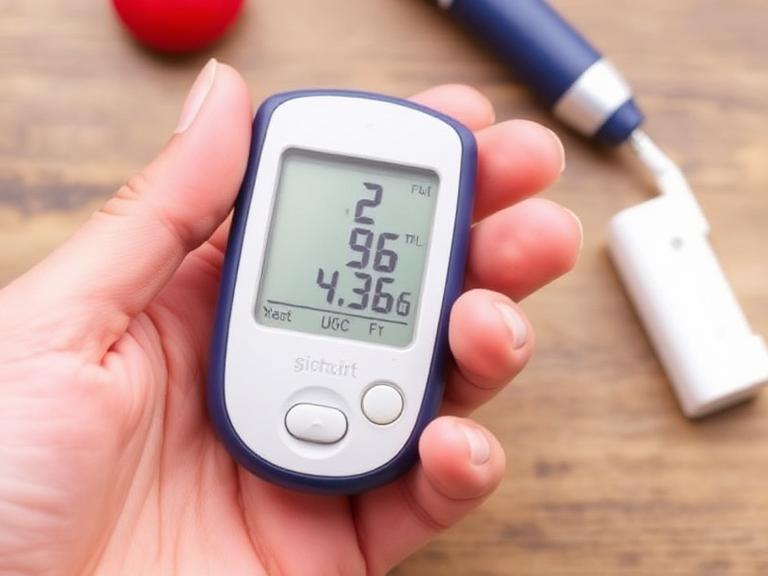
Monitoring blood sugar is one of the effective ways to understand your health. A blood glucose meter is a handheld device that measures sugar levels using a tiny drop of blood usually taken from the fingertip. These devices are widely used by people with diabetes. Are becoming increasingly popular among health-conscious individuals.
Using a blood glucose meter is fairly simple. You place a test strip into the device prick your finger with a lancet and apply a drop of blood to the strip. Within seconds the device displays your glucose reading. While it may sound intimidating at first most people get used to it.
New technology has also introduced glucose monitors often called CGMs. These wearable sensors track glucose throughout the day and night without repeated finger pricks. They can reveal patterns you might never notice otherwise. For example some people discover their blood sugar spikes dramatically after foods while others notice stress affects them more than dessert.
Doctors often recommend checking blood glucose at times:
- * Before meals
- * Two hours after meals
- * Before bedtime
- * During symptoms of blood sugar
- * Before and after exercise
Regular monitoring provides valuable feedback. It turns body processes into visible data helping people make smarter food and lifestyle decisions.
Foods That Help Stabilize Glucose Levels
Food is one of the tools for managing blood sugar levels. The goal is not to fear carbohydrates but to choose ones. Whole foods digest slowly leading to steadier glucose levels and fewer spikes.
Fiber-rich foods are especially helpful because they slow down sugar absorption. Vegetables and legumes and oats and nuts and seeds and whole grains are choices. Protein and healthy fats also help stabilize blood sugar by slowing digestion and improving satiety.
One of the common questions among people with diabetes is: Which rice is good for diabetes. Brown rice and black rice and rice and basmati rice are generally better choices than highly processed white rice because they contain more fiber and have a lower glycemic impact. Portion control still matters, though. Even healthier rice can raise blood sugar if eaten in amounts.
Here is a comparison of rice varieties:
| Rice Type | Glycemic Impact | Best For |
|---|---|---|
| White Rice | High | Occasional use |
| Brown Rice | Moderate | Better blood sugar control |
| Black Rice | Lower | High antioxidant content |
| Basmati Rice | Moderate to Low | Slower glucose release |
| Red Rice | Moderate | Higher fiber and nutrients |
Balanced meals work best. Imagine your plate like a team. Vegetables provide fiber protein supports muscles and fullness and healthy carbs provide energy. When one part dominates, refined carbs, blood sugar becomes harder to manage.
Lifestyle Habits That Improve Blood Sugar Levels
Exercise is one of the powerful natural medicines, for glucose control. Physical activity helps muscles absorb glucose from the bloodstream lowering blood sugar naturally. Even a simple 20-minute walk after meals can improve glucose regulation significantly.
You do not need workouts to see results. Walking, cycling, swimming, yoga and strength training all help with blood sugar control. Consistency matters more than intensity when it comes to blood sugar control. Many people notice energy and better mood within weeks of becoming more active with blood sugar control.
Sleep is another factor for blood sugar control. Poor sleep increases insulin resistance and cravings for foods, which affects blood sugar control. One night of inadequate sleep can disrupt blood sugar control the next day. Stress management matters too because chronic stress keeps levels elevated which pushes glucose higher and affects blood sugar control.
Helpful lifestyle habits for blood sugar control include:
- * Eating meals at times to help with blood sugar control
- * Staying physically active daily to help with blood sugar control
- * Drinking water to help with blood sugar control
- * Managing stress through meditation or breathing exercises to help with blood sugar control
- * Sleeping 7–9 hours nightly to help with blood sugar control
- * Limiting beverages and ultra-processed foods to help with blood sugar control
Small habits may seem insignificant individually but together they create powerful long-term results for blood sugar control.
Risks and Complications of Poor Blood Sugar Control
When blood sugar remains uncontrolled for years the body slowly pays the price. High blood sugar damages blood vessels like rust damages metal pipes. Over time circulation. Organs receive less oxygen and nutrients which affects blood sugar control.
Heart disease is one of the risks linked to diabetes and chronic high blood sugar. Kidney disease, nerve damage and eye complications are also extremely common. Some people develop numbness or burning sensations in the feet due to nerve damage called diabetic neuropathy which is related to blood sugar control.
Poor blood sugar control can also affect health. Mood swings, anxiety, irritability and brain fog often worsen with blood sugar levels. Some people describe it as feeling like they’re riding a roller coaster throughout the day, which is related to blood sugar control.
The encouraging news is that many complications are preventable with intervention for blood sugar control. Better food choices, regular movement, glucose monitoring and medical care can dramatically reduce long-term risks for blood sugar control.
Expert Tips to Maintain Healthy Blood Sugar Levels
Health experts consistently emphasize prevention and consistency over perfection for blood sugar control. Nobody maintains blood sugar every single day. The goal is progress, not punishment, for blood sugar control.
Here are practical expert-backed tips for blood sugar control:
- * Prioritize high-fiber meals for blood sugar control.
- * Avoid drinks whenever possible for blood sugar control.
- * Walk after meals to improve glucose uptake for blood sugar control.
- * Stay hydrated throughout the day for blood sugar control.
- * Monitor your blood glucose regularly if at risk for blood sugar control.
- * Don’t ignore symptoms like fatigue or constant thirst for blood sugar control.
- * Focus on long-term habits of crash diets for blood sugar control.
One of the powerful things you can do is become curious about your body instead of judgmental for blood sugar control. Your glucose levels are not a scorecard. They are simply information that helps guide choices for blood sugar control.
Conclusion
Blood sugar control may sound like a medical topic but it affects nearly every aspect of daily life. From your energy and mood to your heart and brain health stable blood sugar levels are essential for feeling and functioning your best with blood sugar control.
The rise in diabetes worldwide shows how urgently people need awareness about blood sugar health and blood sugar control. Millions are living with glucose levels without realizing it. The good news is that small lifestyle changes can make a difference for blood sugar control. Eating meals staying active sleeping well managing stress and using tools like a blood glucose meter can help you take control of your health before serious complications develop for blood sugar control.
Your body constantly communicates with you through hunger, energy, mood and cravings for blood sugar control. Learning to understand those signals is one of the valuable investments you can make for long-term wellness and blood sugar control.
FAQs
What is a level of blood glucose for blood sugar control?
A normal fasting blood glucose level is usually between 70 and 99 mg/dL for blood sugar control. After meals healthy blood sugar levels generally remain below 140 mg/dL for blood sugar control.
Which rice is good for diabetes and blood sugar control?
Brown rice, rice, red rice and basmati rice are considered better choices because they digest more slowly and have a lower glycemic effect than white rice for blood sugar control.
What are 5 signs your blood sugar is too high for blood sugar control?
The five common signs include thirst, frequent urination, fatigue, blurred vision and increased hunger for blood sugar control.
What is normal blood glucose by age for blood sugar control?
Normal glucose ranges are similar for adults though older adults may have slightly adjusted targets depending on health conditions and medications for blood sugar control.
Can exercise blood sugar quickly for blood sugar control?
Yes. Physical activity helps muscles absorb glucose from the bloodstream, which can lower blood sugar levels naturally and improve insulin sensitivity, for blood sugar control.