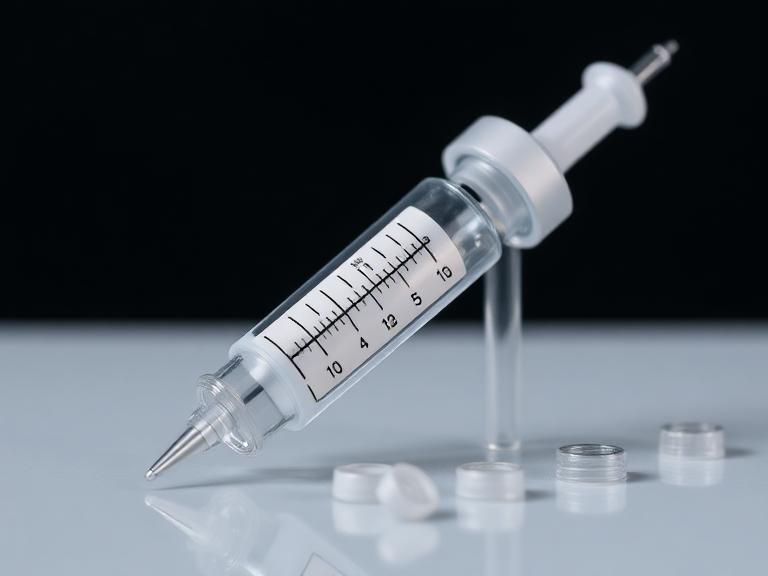
Insulin is a hormone that the pancreas makes. The pancreas is an organ that is located behind the stomach. Insulin helps glucose move from the bloodstream into the bodys cells. The bodys cells use glucose for energy. Think of insulin as a delivery person who carries fuel to parts of the body. Without insulin glucose stays in the blood of giving energy to the muscles, brain and organs.
When you eat carbohydrates, like rice or bread your body breaks them down into glucose. This glucose goes into your bloodstream and insulin is released to help keep blood sugar levels stable. When insulin is working properly it helps keep energy levels stable supports brain function and prevents sugar spikes.
The problem starts when the body does not make insulin or becomes resistant to insulin. This is the start of diabetes. In some people the body attacks the cells in the pancreas that make insulin. In others the bodys cells stop responding to insulin.
Diabetes cases are increasing worldwide. Experts think that rising obesity rates, not being physically active, sleep stress and eating too much processed food are major contributors to insulin resistance.
Insulin controls blood sugar levels
When insulin is released after a meal it signals the cells to absorb glucose from the blood. The liver also stores glucose for later use. This system works all day long like a thermostat that controls room temperature.
If insulin levels are stable blood sugar stays within a range. You feel energized, focused and physically stable.. When insulin production drops or insulin resistance develops glucose builds up in the bloodstream. Over time this can damage blood vessels, nerves, kidneys, eyes and the heart.
What Happens When Insulin Stops Working Properly
When the body becomes insulin resistant the pancreas tries to make insulin. At first this can keep blood sugar levels.. Eventually the pancreas struggles to keep up. Blood sugar rises and people may feel tired, thirsty and hungry. They may also have vision, slow-healing wounds and unexplained fatigue.
High insulin levels can also be a problem. Elevated insulin levels are linked to weight gain, inflammation, high blood pressure and a greater risk of heart disease.
Understanding Diabetes and the Role of Insulin
Diabetes is not one disease. It comes in forms and insulin plays a different role in each type.
Type 1 Diabetes and Insulin Dependence
Type 1 diabetes is a condition where the immune system destroys the cells that make insulin. People with type 1 diabetes must take insulin every day to survive. Without insulin blood sugar rises dangerously high.
Type 2 Diabetes and Insulin Resistance
Type 2 diabetes is more common. In this condition the body becomes resistant to insulin. The pancreas still makes insulin. The cells stop responding effectively. Lifestyle factors play a role in type 2 diabetes. Not being physically active excess body fat poor sleep, chronic stress and diets high in carbohydrates all contribute to insulin resistance.
Gestational Diabetes
Gestational diabetes develops during pregnancy. Usually disappears after childbirth. Hormonal changes can make the body less sensitive to insulin during pregnancy. Women with diabetes have a higher risk of developing type 2 diabetes later in life.
Types of insulin.
Rapid-Acting Insulin
Rapid-Acting insulin is taken before meals to control blood sugar spikes.
Short-Acting Insulin
Short-Acting insulin has been used for decades and requires careful timing before meals.
Intermediate-Acting Insulin
Intermediate-Acting insulin lasts longer and is often combined with rapid or short-acting insulin.
Long-Acting Insulin
Long-Acting insulin provides a slow steady release over many hours.
Insulin Injections and Insulin Pump Therapy
The thought of insulin injections can be scary for people at first. The idea of using needles every day can be really overwhelming especially when you are first diagnosed with diabetes.. The good news is that diabetes care has come a long way in recent years. It is now more advanced, comfortable and personalized than it used to be.
How Insulin Injections Work
Insulin injections are usually given with pens, syringes or small needles. Most people inject insulin into their abdomen, thigh or upper arm because these areas absorb insulin well.
Doctors will figure out:
- The type of insulin you need
- How insulin you need to take
- When to take insulin in relation to your meals
- What your blood sugar targets should be
If you learn how to inject insulin it can reduce discomfort and help your body absorb insulin better.
Benefits of Insulin Pump Therapy
Insulin pump therapy uses a device that you wear on your body. This device delivers insulin continuously through a tube that is placed under your skin. Of taking multiple injections every day the pump gives you a steady flow of insulin throughout the day.
Many people like insulin pumps because they offer:
- More flexibility
- precise insulin delivery
- Easier adjustments to your blood sugar levels
- Fewer injections
For people who’re active children and people with unpredictable schedules insulin pumps can make managing diabetes feel less overwhelming.
Signs, Symptoms and Risks of High Insulin Levels
High insulin levels also known as hyperinsulinemia often happen when your body becomes resistant to insulin. Many people do not realize this is happening because the symptoms can be subtle at first.
Causes of Insulin Resistance
The way we live our lives nowadays makes insulin resistance more common. Sitting for periods eating foods that are highly processed sleeping poorly and being stressed all the time can affect how well your body uses insulin.
Health experts now say that there are hidden reasons why people become insulin resistant including inflammation, lack of sleep and stress hormones like cortisol.
Some common causes of insulin resistance include:
- Having much fat around your abdomen
- Drinking beverages
- Not exercising enough
- Being stressed all the time
- Sleeping
- Genetic factors
Health Risks Linked to High Insulin
If you have insulin levels for a long time it may contribute to:
- Gaining weight
- Having blood pressure
- Getting heart disease
- Getting liver disease
- Getting ovary syndrome (PCOS)
- Feeling hungrier. Having more cravings
This creates a frustrating cycle. High insulin levels encourage your body to store fat and having body fat makes your body even more resistant to insulin.
Foods, Drinks and Lifestyle Habits That Affect Insulin
One of the most common questions people ask is: “What foods increase insulin levels?” The truth is that all foods that have carbohydrates in them will stimulate insulin to some degree. That is not necessarily a thing. The goal is to find balance, not to be afraid of food.
Foods That Spike Insulin
Some foods that may raise insulin levels quickly include:
- Sugary drinks
- bread
- Candy
- Pastries
- Sweet breakfast cereals
- Ultra-processed snacks
Some fruits that have high sugar content can also raise blood sugar levels quickly if you eat too much of them.. Whole fruits are still good for you because they have fiber, vitamins and antioxidants making them healthier than processed sugary foods.
Habits That May Help Insulin Naturally
Many people can improve how well their body uses insulin by changing their lifestyle habits. Experts often recommend:
- Walking every day
- Doing strength training exercises
- Sleeping better
- Reducing stress
- Eating foods that are rich in fiber
- Drinking sugary beverages
Some drinks that may help with insulin control include:
- Water
- Unsweetened green tea
- Black coffee in moderation
- Herbal teas
Recent reports on nutrition highlight foods like vegetables, legumes, whole grains, healthy fats and fermented foods as helpful for improving insulin sensitivity
Side Effects and Safety Tips for Insulin Use
Like any medication insulin can have side effects. Most of these side effects are manageable if you get medical guidance and monitoring.
Common Side Effects of Insulin
The common side effect of insulin is hypoglycemia or low blood sugar. Symptoms can include:
- Sweating
- Shaking
- Dizziness
- Fast heartbeat
- Confusion
- Hunger
Some people also gain weight when they start taking insulin because their body becomes better at storing glucose
You can also get skin at the injection site especially if you do not rotate the injection locations regularly.
Expert Tips for Safe Insulin Management
Doctors and diabetes educators usually recommend:
- Checking your blood sugar levels regularly
- Following your meal schedule carefully
- Rotating the injection sites
- Carrying acting glucose with you in case of emergencies
- Staying physically active
- Storing insulin properly
Managing diabetes is not about being perfect. It is, about being consistent and learning how your body responds over time to insulin injections and insulin pump therapy and making adjustments as needed to stay healthy.
Conclusion
Insulin is an important hormone that our body uses to control energy every day. When insulin works the way it is supposed to most people do not even think about it.. When the body does not make enough insulin or when it has trouble using insulin it can affect almost every part of our health.
Learning about what insulin’s the different kinds of insulin and how insulin helps people with diabetes can make the whole thing seem less scary and less confusing. Whether someone uses insulin shots looks into using an insulin pump. Just wants to find ways to improve their insulin levels naturally knowing more about it can be really helpful.
The good thing is that the way we take care of diabetes is getting better all the time. We have improved insulin pumps and we are even working on insulin treatments that can last for a week. At the time simple things we can do every day like getting good sleep eating healthy food managing stress and exercising regularly are still really important for keeping our insulin working well.
The small choices we make every day might not seem like a deal but over time they can make a huge difference in our long-term health.
FAQ
What is insulin and what does it do?
Insulin is a hormone that our pancreas makes and it helps get glucose from our blood into our cells so we can use it for energy. It also helps keep our blood sugar levels under control and makes sure our body is working the way it should.
What kinds of food affect insulin levels?
Food does not have insulin in it. Some foods that have a lot of carbohydrates can make our body release insulin. These foods include bread, rice, fruit, milk and sugary foods.
What happens if we have much insulin?
If we have much insulin it can cause us to gain weight feel hungrier and have trouble using insulin. It can also increase our blood pressure. Make us more likely to get type 2 diabetes and heart disease.
What is insulin used for?
Insulin is used to control our blood sugar levels. People with diabetes might need to take insulin to replace the insulin their body is not making or to help control their blood sugar levels.
Which fruits can raise insulin levels?
Fruits that are really sweet, like bananas, grapes, mangoes and watermelon can raise our blood sugar and insulin levels if we eat too much of them.
What drinks can help insulin levels?
Drinks like water, green tea, black coffee, without sugar and herbal tea might help our body use insulin better if we combine them with healthy habits.
How can I lower my insulin levels naturally?
We can improve our insulin levels naturally by exercising eating less sugary food eating more fiber, managing stress sleeping well and keeping a healthy weight.