Ever faced the daunting prospect of a root canal? Most people first think about how much time it will suck up rather than the actual tooth issues. Will you be strapped to that dentist chair forever? Will the procedure be unbearably painful? These thoughts are totally normal, especially when dental anxiety creeps in.
Actually, root canals nowadays are quite routine and more comfortable than you might assume. Don’t worry; modern dentistry means root canals are now quick and pretty hassle-free. In general, folks can resume their normal activities on the same day. Yet, how long a root canal takes can depend on different factors – which specific tooth is affected, the extent of the infection, and whether it’s the first visit or not.
This guide strips away confusing dental babble and frightening tales, offering clear and direct information along with realistic expectations. Let’s dive into what a root canal really is.
Understanding Root Canal Treatment
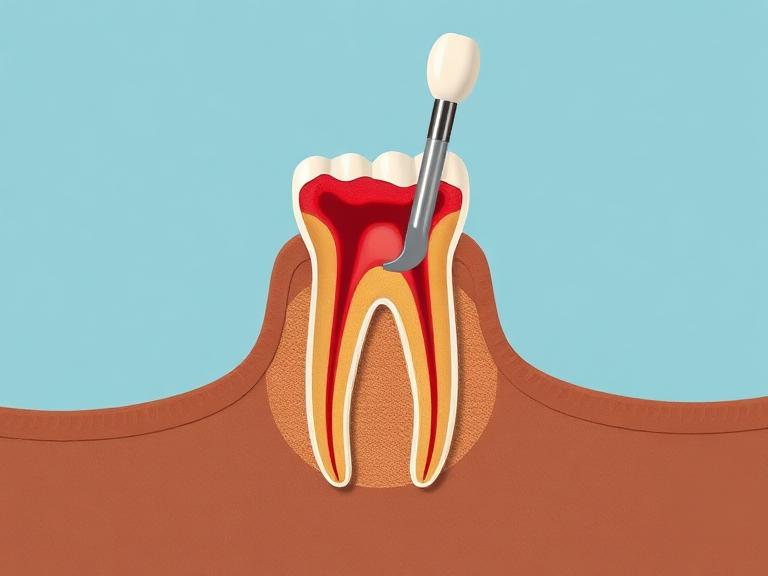
A root canal is basically when a dentist saves a tooth that’s been badly damaged or infected.Each tooth has pulp full of nerves and blood vessels inside. If it gets infected due to decay or an injury, you’ll feel major pain and swelling.
During the fix, the dentist opens the tooth, takes out the bad pulp, cleans it well, makes sure it’s disinfected, and seals it up again.. Kind of like when you fix damage in a room; you don’t tear down the whole place, just fix the broken bit.
Today, root canals are usually done with local anesthesia, so you won’t feel pain during the process.
How long do root canals actually take?
Root canals generally last between 30 and 90 minutes. The specific duration varies based on the tooth and other factors; front teeth usually take around 30 to 45 minutes.
Premolars usually take 45–60 minutes.
And molars, well, they can take as long as 60–90 minutes or even a little more.
To picture it differently, the treatment is similar to cleaning a room in your house. If the room’s small and straightforward, it goes fast. But if it’s bigger, more complicated, and harder to access? That takes longer.
Breaking Down Root Canal Timing
Getting a handle on the timeline helps a lot with anxiety, showing that this isn’t one continuous process but rather a bunch of set steps lined up.
- Diagnosis and Prep (10–20 minutes): Your dentist checks out the tooth and may need to take X-rays.X-rays help guide the dentist through the procedure.
First, the dentist numbs the area for about 5 to 10 minutes.
Then, they prep the tooth by cleaning it and making a small opening to reach the pulp. This step takes around 10 to 15 minutes.
Cleaning out the infection can take longer, from 20 to 60 minutes. During this time, they make sure to get every tiny spot, prepare the space, and shape it for the filling material.
- Sealing (10–20 minutes): Lastly, the inside is filled with a special material to keep any new infections at bay.
Typically, that all fits neatly within that 30 to 90-minute range.
Different Types of Root Canals, Different Times
Not every root canal is the same. Which tooth it is can make a huge difference in how long it’ll take.
- Front Teeth: Since they’re simpler, having just one canal, this root canal type usually wraps up quickly in under an hour.
- Premolars: These might have one or two canals. Each additional canal means extra time needed.
- Molars: With possible four canals and a layout that’s trickier to navigate, they often take the longest – sometimes even over 90 minutes.
Will You Need Two Appointments for a Root Canal?
While many can be finished in a single visit, in certain instances, such as severe infections or if the tooth needs medication internally before sealing, your dentist might go for a two-visit solution. This initial session focuses on cleaning, and the second on sealing and ensuring everything’s set up properly.
Recovery From a Root Canal
Post-root canal, most folks are startled by how mild the recovery actually is.
Within the first couple of days, you may feel slight tenderness and a bit sensitive when chewing. Usually, some over-the-counter pain meds are enough to manage it.
After about a week, everything should start feeling pretty normal again. Normal chewing will likely resume after just a few days.
Since the main infection has been cleared out, there’s typically very little hassle recovering. Once the root canal’s wrapped up, you’ll notice that discomfort pretty much stops right there.
Pros and Cons of Getting a Root Canal
Every procedure comes with pluses and minuses, and root canals aren’t any different.
Pros?
- Saves your natural tooth
- Stops intense pain
- Keeps the infection from spreading
- Restores your ability to chew comfortably
- Boosts your long-term dental health overall
Cons?
- Mild soreness post-treatment
- Possible slight swelling
- In rare cases, if the tooth isn’t sealed correctly, reinfection could happen
- Many times, your dentist will suggest putting a crown on the treated tooth for extra protection
Smart Things to Know For a Root Canal
Both beforehand and afterward, following some basic instructions from your dentist ensures the best comfort and recovery.
Beforehand, try light meals beforehand unless told not to eat. It also helps not to drink alcohol or smoke around the time of the appointment.
After the procedure, follow your doctor’s advice, and don’t chew on that side till you get the okay Regular brushing should continue but go gently near the treated area.
Lastly, staying relaxed really can make a huge difference too. Remember, stress can sometimes make those hours seem longer than they actually are!
Frequently Asked Questions About Root Canals
Here’s some more clarity on common concerns:
- Does a root canal hurt?
- During the procedure? They say no pain, though, since the area is numb. You’ll feel pressure at most, but not actual pain.
- How quickly can I expect my root canal to be done?
- That depends on the tooth but expect somewhere in the 30–90-minute window.
- On a pain scale, how bad is it?
- While undergoing the procedure? Patients typically report feeling minimal discomfort thanks to anesthetics.
- What’s the deal with the 3-3-3 toothache guideline?
- This means if your tooth pain hasn’t improved or got worse within three days, it’s a sign something more serious is up and needs medical attention.
- Can my dentist really finish the job in just one sitting?
- Sure, unless complications come up, then they may advise spacing it out into two appointments.