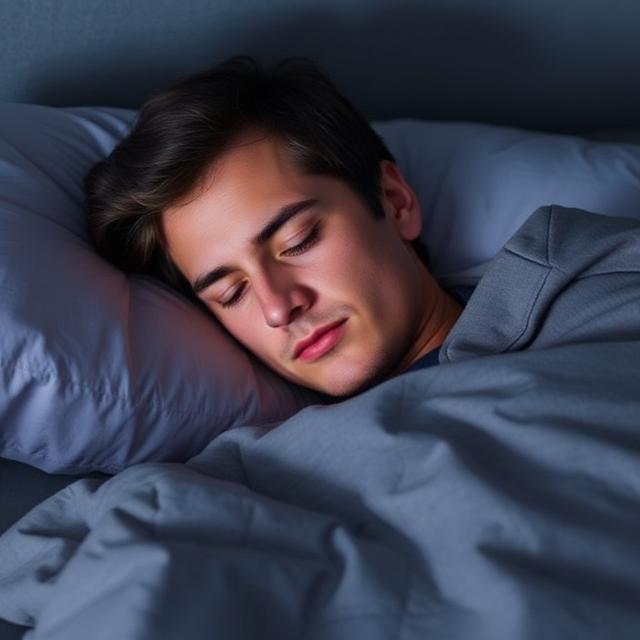
Have you ever been told that your snoring sounds like a freight train rolling through the room? I sure have. Snoring is super common, but that doesn’t mean it’s always just a laugh-off moment. Chronic loud snoring can really mess with your quality of sleep, strain relationships, and even harm your health. Sometimes it could be a sign of something more serious, like obstructive sleep apnea. According to experts, while occasional snoring is normal, chronic snoring deserves a closer look. Things like age, being overweight, how you sleep, and your lifestyle all affect whether or not you snore.
Often, snorers aren’t aware they saw logs, since the racket happens when they’re out. Usually, it’s a partner or family member who first notices it and thinks, “This needs to be addressed.”
When Snoring Becomes a Health Concern
Sure, not all snoring poses risks. But when it’s paired with breath-holding spells, waking up choking, feeling dead-tired all day, or getting pounding headaches when you wake up, then red flags should be waving. Experts advise checking in with a doc if these issues crop up, because ignoring sleep apnea might raise the chances of heart trouble and other health hazards down the line.
What Causes Snoring?
Getting to the bottom of why you snore is key to stopping it. Snoring goes down when air finds it hard to pass through the airways, making the tissue vibrate. Narrower airways mean louder snores.
Physical Factors Behind Snoring
Physical traits like naturally having a tiny air passage, large tonsils, or a wonky nose separator can lead to stuffy airways. Extra neck fat, often seen in folks who are obese or overweight, can pinch off the tubes too. Add in aging, which lets throat tissues droop, and you’ve got the recipe for big vibrations and loud snores.
Lifestyle Habits That Trigger Snoring
Some common choices ratchet up nighttime noise. Downing alcohol eases the throat muscles and could plug up the airways. Sleeping on your back is bad news; it makes gravity pull the tongue and throat flesh back, partly clogging the pipe. Cigarette smoking only stokes irritation and swelling. Even mild dehydration thickens the goo in your nose and throat, muffling the air.
Medical Conditions Linked to Snoring
A bunch of health woes can crank up snore sessions. Stuffy noses due to allergies and illnesses make air flow tough. Sleep apnea ups the ante since with it, the breathing process gets totally blocked.
| Cause | What It Does |
|---|---|
| Extra pounds | Narrows the air passages |
| Drinking | Eases throat muscles |
| Nose clog | Blocks airflow |
| On your back | Bamps up airway cave-in |
| Apnea | Stops breathing in sleep |
| Smoking | Nixes and swells airways |
Pinpointing Sleep Apnea
Lots looking to silence the nightly din might actually be hitting symptoms of sleep apnea. Telling simple snoring apart from the major disorder is vital to dodge health probs.
Key Warning Signs
Top clues that sleep apnea’s involved are gasps for air, loud non-stop snoring, waking up headaches and a parched mouth, dozing off way too easy, and a brain fog in the day.
Sleep apnea is like a battery failing to charge properly – no full recharge, thus leaving your system sluggish. Those with apnea can spend eight hours in bed but still wake tired from those breaks in breathing.
When to Seek Medical Advice
It’s light alert if you snore and gasp for breath, wake up super groggy, or if there’s a spiking of blood pressure. Pros advise catching zzzs under watch in a lab to see if you’ve got sleep apnea.
Finding out early improves your chances of better snoozes and perkier mornings. Procrastinating often means it’ll only get worse.
10 Tips to Stop Snoring Naturally
There are easy ways to cut down on snoring that don’t involve meds. Here are ten options recommended by pros that work wonders for many folks.
1. Change Your Sleeping Position
First, try to catch Zs on your side, the easiest and among the best tricks to tamp down snores. Laying on your back can allow tongue to fall back and make the airways small. Sleeping on your side prevents the airblock.
2. Maintain a Healthy Weight
If extra flab’s part of the problem, slimming down helps. Too much bulk around the neck crimps the tube, cutting airflow. Shedding just a few kilos, if overweight, plus combining that with good routines, helps ease the breathing game at night.
3. Reduce Alcohol Consumption
Keep your evening drinks to a minimum, or drop them entirely. Tipples calm the throat muscles and hike airway collapse rates. Less swigging, especially pre-snooze time, cuts snoring.
4. Treat Nasal Congestion
Deal with that stuffy nose quick. Trouble breathing through the nostrils can flip the switch on mouth breathing. Clear out nasal congestion and get better airflow.
5. Improve Sleep Hygiene
Ease into sleep well with good sleep hygiene practices. Relaxing and unwinding is key to good snoozes, so skip late night screens and settle in with calming activities.
6. Stay Hydrated
Bump up fluids and fight snoring. Gunk gets thick when dehydrated and this clumps in throat and nose. More water helps things move smoothly.
7. Strengthen Throat Muscles
Strengthen the throat’s pipes with singing or speech therapies that target those muscles and decrease the chances of them flopping and blocking up at night.
8. Elevate Your Head While Sleeping
Angle the pillow deal, elevating the upper body can cut off clogged-up airways. Raise the top half of the bed slightly and nab an angle pillow to achieve same results.
9. Avoid Smoking
Light up cigarettes much less. Irritated pipes from smoking swell, cramping airflow. Saying bye-bye to smoking boosts the breath game over time.
10. Create a Sleep-Friendly Environment
Humidifiers and regular cleaning are smart moves in a snore-plagued pad. Dust free and moist air in bed zones make a better, healthier breath scene at night.
Anti-Snoring Devices and Medical Treatments
Sometimes tweaks to your habits don’t fully fix your nightly din. Anti-snore gizmos come to the rescue.
Easy peasy nasal strips spring to mind as handy snore blockers; pop these on to flare open nostrils, aiding in airflow wins. Tongue and jaw-positioning oral gizmos suggested by pros are comfy fixes, working well for minor to medium snoring.
Big problems need advanced fixes like CPAP machines and sometimes snore ops that tackle major air path troubles like enlarged throat flaps or crooked septums.
Final Takeaway
Figuring out your sawlogs’ cause is often the start of putting an end to them. Shifting positions may quiet snores for some. Others could require shedding pounds, battling allergies, adjusting their lifestyles, or needing special medical care.
Success lies in blending awareness, being steady, and patient. For those whose snoring’s messing with their shut-eye or their partner’s dozy peace, hitting up a professional check-up shouldn’t be ignored. Remember, lasting snores might hint at unseen health things like sleep apnea needing closer inspection.
Better zzzs are worth the effort. Tweak a few things tonight and gain quieter nights, perkier days, and better health going forward.
Frequently Asked Questions
How can I make my snoring go away?
Try sleeping on your side, dropping those extra pounds, skipping alcohol at night, clearing nasal stuffiness, and fixing your bedtime routine. See a doctor if it keeps bugging you.
Why am I snoring so badly?
Big snoring can come from being overweight, stuffy nose, downing too much booze, not getting enough sleep, physical issues with airways, or even obstructive sleep apnea. Getting checked out can clear things up.
How did Shaq stop snoring?
Shaq apparently got help for his sleep apnea from some sort of pro treatment plan. Everyone’s different, so what works for one person might not work for another.
Is snoring 100% curable?
It doesn’t fix itself for everyone. While some might wipe it out with life tweaks or medical help, others might just lessen it. Your success rate depends on why you’re snoring in the first place.
What are the most effective anti-snoring devices?
There are nasal strips, mouth gadgets, and CPAP machines – doctors often point to these. But which device works best hinges on whether it’s plain old airway narrowing or something more serious like sleep apnea.
Can snoring be a sign of a serious health condition?
Yep. Heavy, ongoing snoring paired with pauses in breath, choking sounds, tiredness, or headaches when you wake up could hint at obstructive sleep apnea. Don’t ignore these signs; get them looked at by a doc.