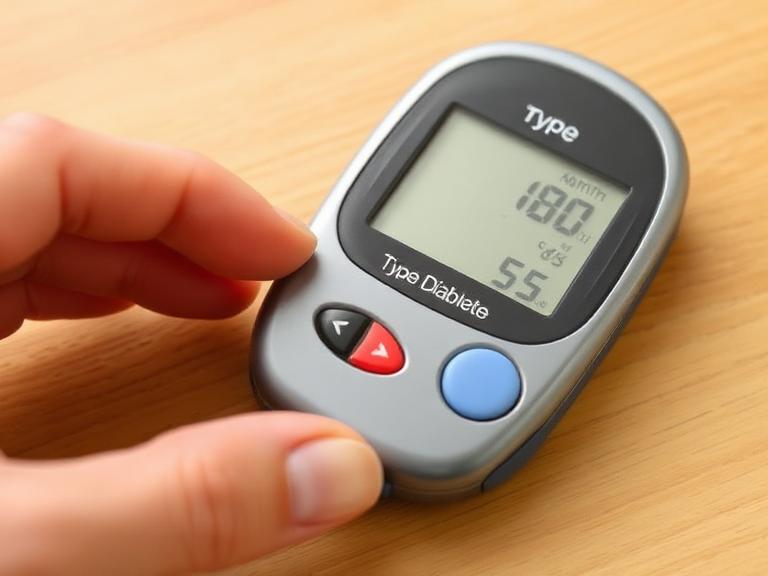
A decades ago Type 2 diabetes mostly affected older adults. Today it affects people, busy professionals, teenagers and even children. Long work hours, processed foods, poor sleep, stress and inactive lifestyles have quietly turned this condition into one of the health challenges worldwide. According to the World Health Organization diabetes now affects hundreds of millions of people globally. Most of those cases are Type 2 diabetes. Recent reports from the International Diabetes Federation estimate that than 590 million adults worldwide are living with diabetes and the numbers are still climbing rapidly.
The tricky thing about Type 2 diabetes is that it often develops slowly. Many people ignore the symptoms because they seem harmless at first. Feeling tired after meals waking up thirsty at night or needing to urinate may not seem serious.. Over time high blood sugar can silently damage the heart, kidneys, nerves, eyes and blood vessels. That is why awareness matters much. The good news is that Type 2 diabetes can often be managed successfully through habits, medications and early medical care. Some people even improve their blood sugar levels dramatically through lifestyle changes
This guide explains everything you need to know in language including Type 2 diabetes symptoms, causes, diagnosis, treatment options, medications, prevention strategies and practical everyday advice.
What Is Type 2 Diabetes?
Type 2 diabetes is a condition that affects how the body uses glucose, which is the main source of energy for our cells. Normally the hormone insulin helps move sugar from the bloodstream into the cells. In people with Type 2 diabetes the body. Becomes resistant to insulin or does not produce enough of it. As a result sugar builds up in the blood of being used properly for energy.
Think of insulin like a key that unlocks the doors of your cells. In Type 2 diabetes the locks become rusty. The key still exists,. It no longer works efficiently. Over time the pancreas struggles harder to produce insulin and eventually blood sugar levels stay high most of the time. This constant overload puts stress on organs in the body.
People often confuse Type 1 and Type 2 diabetes. They are very different conditions. Type 1 diabetes is a disease where the immune system attacks insulin-producing cells. Type 2 diabetes on the hand is more closely linked to insulin resistance, genetics, body weight, diet and lifestyle factors. While Type 1 diabetes usually appears earlier in life Type 2 diabetes is more common and accounts for the majority of diabetes cases worldwide.
The encouraging part is that Type 2 diabetes is often preventable or manageable. Early action can reduce complications. Improve quality of life significantly.
Common Type 2 Diabetes Symptoms
One reason Type 2 diabetes becomes dangerous is that symptoms can appear gradually. Some people live with blood sugar for years before receiving a diagnosis. The body adapts slowly making it easy to dismiss the warning signs as stress, aging or poor sleep.
The common Type 2 diabetes symptoms include:
- Frequent urination
- Increased thirst
- Constant hunger
- Fatigue and low energy
- Blurred vision
- Slow-healing wounds
*. Numbness in the hands and feet
- Frequent infections
- Unexpected weight changes
Imagine trying to water a plant with a leaking hose. Even though water is flowing the plant still dries out. That is similar to what happens in diabetes. Sugar stays trapped in the bloodstream of reaching cells efficiently so the body keeps signaling hunger and fatigue.
Some symptoms should never be ignored. Dark patches of skin around the neck or armpits tiredness or recurring fungal infections can indicate insulin resistance. Many people also notice they feel sleepy after eating meals, especially meals high in sugar or refined carbohydrates. That sluggish feeling is not always ” tiredness.” Sometimes it is your body struggling to regulate glucose levels.
According to health experts millions of people worldwide remain undiagnosed. Early diagnosis can prevent long-term damage, which’s why regular blood sugar testing is important for people with risk factors.
Causes of Type 2 Diabetes
There is no cause of Type 2 diabetes. Instead it develops through a combination of genetics, lifestyle habits, environmental influences and metabolic changes over time. Some people assume diabetes only happens because someone eats much sugar but the reality is more complicated than that.
One major factor is insulin resistance. This happens when the bodys cells stop responding to insulin. Excess body fat, around the abdomen increases the risk significantly. A sedentary lifestyle also contributes because muscles become less efficient at using glucose when they are inactive for periods.
Diet plays a role too. Processed foods, sugary drinks, excessive fast food and low-fiber diets can increase blood sugar spikes and weight gain over time. Research published in years has also linked sugary beverages to millions of new diabetes cases globally.
Other important causes and risk factors include:
| Risk Factor | How It Increases Risk |
|---|---|
| Family history | Genetics can affect insulin function |
| Obesity | Raises insulin resistance |
| Lack of exercise | Reduces glucose usage by muscles |
| Poor sleep | Impacts hormones and blood sugar |
| Chronic stress | Raises cortisol and glucose levels |
| Age | Risk increases with age |
| Smoking | Damages blood vessels and metabolism |
Stress deserves attention because many people underestimate its effect on blood sugar. When you are stressed the body releases hormones that raise glucose levels as part of the “fight or flight” response. Constant stress can keep blood sugar elevated for periods.
Sleep is another overlooked factor. Poor sleep affects hormones, insulin sensitivity and metabolism. Many people working late-night shifts or sleeping a few hours daily may unknowingly increase their diabetes risk.
Who Is Most at Risk?
Anyone can develop Type 2 diabetes. Some groups face a much higher risk. Being overweight or obese remains one of the predictors especially when fat accumulates around the waist area. That belly fat is metabolically active and strongly linked to insulin resistance.
Age also matters. While Type 2 diabetes used to be called “adult-onset diabetes ” younger people are now being diagnosed frequently because of lifestyle changes. Children and teenagers who spend hours on screens consume sugary drinks regularly and avoid physical activity are increasingly affected.
People with a family history of diabetes should pay attention to prevention. Genetics do not guarantee someone will develop diabetes. They can increase susceptibility. Think of genetics as loading the gun and lifestyle as pulling the trigger.
Certain health conditions also raise the risk including:
- blood pressure
- Polycystic ovary syndrome (PCOS)
- High cholesterol
- Prediabetes
- Heart disease
- Sleep apnea
Modern lifestyles contribute too. Many people sit for 8–10 hours daily rely on food delivery apps sleep poorly and experience stress. It is like our bodies are living in survival mode while our movement levels continue shrinking.
Health experts warn that diabetes is increasing rapidly in middle-income countries as urban lifestyles become more common. Awareness and prevention are becoming more important than ever.
Type 2 Diabetes Diagnosis
Getting diagnosed with Type 2 diabetes is usually straightforward. Doctors use blood tests to measure how much sugar is present in the bloodstream over time. These tests help determine whether someone has blood sugar, prediabetes or diabetes.
The common test is the A1C test, which measures average blood sugar levels over the past two to three months.
- A1C ≥ 6.5% = Diabetes Diagnosis
Other common diagnostic tests include:
- Test * Purpose
- Fasting Blood Sugar Test * Measures glucose after fasting
- A1C Test * Shows long-term blood sugar average
- Oral Glucose Tolerance Test * Measures how the body handles sugar
Doctors may also check blood pressure, cholesterol levels, kidney function and eye health because diabetes can affect systems in the body.
Many people feel scared after a diabetes diagnosis. It is essential to remember that diagnosis is the beginning of better control, not the end of health. Catching diabetes early can prevent complications later.
Type 2 Diabetes Treatment Options
The best Type 2 diabetes treatment plan usually combines lifestyle changes, medical support and regular monitoring. Treatment depends on how high blood sugar levelsre overall health and whether complications already exist.
Lifestyle changes are often the step. Losing a small amount of weight can improve insulin sensitivity dramatically. Doctors frequently recommend:
- Eating meals
- Walking regularly
- Strength training
- Managing stress
- Improving sleep quality
- Reducing beverages
For many people medications are also necessary. Type 2 diabetes medications include:
- Medication Type * Purpose
- Metformin * Reduces glucose production in the liver
- GLP-1 receptor agonists * Help control appetite and blood sugar
- SGLT2 inhibitors * Remove glucose through urine
- Insulin * Helps regulate blood sugar
Recently GLP-1 medications have gained attention worldwide because they help with blood sugar control and weight management. The World Health Organization has even added GLP-1 drugs to its essential medicines list for diabetes treatment.
Treatment is not about medications though. Small daily habits matter more than people realize. A 20-minute walk after meals, drinking water eating fiber-rich foods and reducing processed snacks can create meaningful changes over time.
Diet and Exercise Tips for Better Blood Sugar Control
Food is one of the tools for managing diabetes but that does not mean people need to follow extreme diets or give up every favorite meal forever. The goal is balance, consistency and smarter choices.
Foods that may help stabilize blood sugar include:
- green vegetables
- Whole grains
- Beans and lentils
- Nuts and seeds
- Lean proteins
- Greek yogurt
- Berries
- Healthy fats, like olive oil and avocado
Studies show that foods high in fiber slow down how fast glucose gets into your bloodstream and make your body more sensitive to insulin. On the hand drinks with a lot of sugar too much white bread, pastries and heavily processed snacks can make your blood sugar go up fast.
Exercise works like a medicine for your blood sugar. When your muscles move they use glucose for energy. Even a little bit of activity makes your body more sensitive to insulin. Walking after meals is especially helpful because it reduces blood sugar spikes naturally.
Good exercise options include:
- walking
- Cycling
- Swimming
- Yoga
- Resistance training
- Dancing
The key is to be consistent not perfect. Many people fail because they try to change everything at once. Small habits that you can keep up with work better than plans that you can’t stick to.
Possible Complications of Untreated Type 2 Diabetes
If you don’t treat or control diabetes it can hurt every part of your body. High blood sugar acts like shards of glass moving through your blood vessels over time. The damage builds slowly but steadily.
Possible complications include:
- Heart disease
- Stroke
- Kidney damage
- Vision loss
- Nerve damage
- Foot ulcers
- Infections
- Sexual health problems
Diabetes is also linked to increased risks of heart attacks and lower limb amputations. That sounds scary. Proper management can reduce these risks a lot.
Mental health is another issue. Living with diabetes can feel emotionally exhausting. You have to monitor your blood sugar take medication plan your food and worry about your health, which can create stress or burnout. Emotional support matters as much as medical treatment.
Expert Tips to Prevent or Delay Type 2 Diabetes
Preventing type 2 diabetes doesn’t require a lifestyle. Small realistic improvements often create the long-term impact.
Experts commonly recommend:
- Walk even for 20–30 minutes
- Reduce sugary drinks
- Eat more fiber-rich foods
- Sleep least 7 hours
- Manage stress levels
- Get health checkups
- Maintain a weight
- Strength train weekly
One helpful strategy is the “plate method.” Fill half your plate with vegetables, one-quarter with protein and one-quarter with carbohydrates. This simple visual approach makes meal planning easier without obsessing over numbers.
Another smart habit is checking food labels carefully. Many products marketed as “healthy” contain sugars. Learning nutrition awareness can make a huge difference over time.
Conclusion
Type 2 diabetes is one of the growing health conditions in the modern world but its not a hopeless diagnosis. With awareness smart lifestyle choices, proper medical care and consistent habits many people live long, active and healthy lives while managing diabetes successfully.
The biggest mistake is ignoring symptoms. Waiting until complications appear. Your body usually sends warning signals long before serious damage happens. Paying attention to fatigue, thirst, frequent urination and unusual hunger can lead to diagnosis and better outcomes.
Healthy living doesn’t have to mean perfection. Small daily choices add up over time. A healthier breakfast a short evening walk, sleep or cutting down sugary drinks may seem minor individually but together they can transform your long-term health.
FAQs
What happens if you get type 2 diabetes?
If you develop type 2 diabetes your body struggles to manage blood sugar. Without treatment high blood sugar can damage your heart, kidneys, eyes, nerves and blood vessels over time. Early management helps reduce complications
How do you manage type 2 diabetes?
Type 2 diabetes is managed through eating, regular exercise, weight control, blood sugar monitoring, stress management and medications when needed. Many people improve their condition with lifestyle changes.
What is type 2 diabetes?
Type 2 diabetes is a condition where your body becomes resistant to insulin or doesn’t produce enough insulin causing blood sugar levels to rise.
What is the difference, between type 1 and type 2 diabetes?
Type 1 diabetes is a disease where your body stops producing insulin. Type 2 diabetes develops because of insulin resistance and lifestyle or genetic factors.
Can type 2 diabetes be reversed?
Some people can achieve remission through weight loss, healthy eating, exercise and medical support. Remission means blood sugar levels return to a range without needing certain medications but ongoing healthy habits remain important.