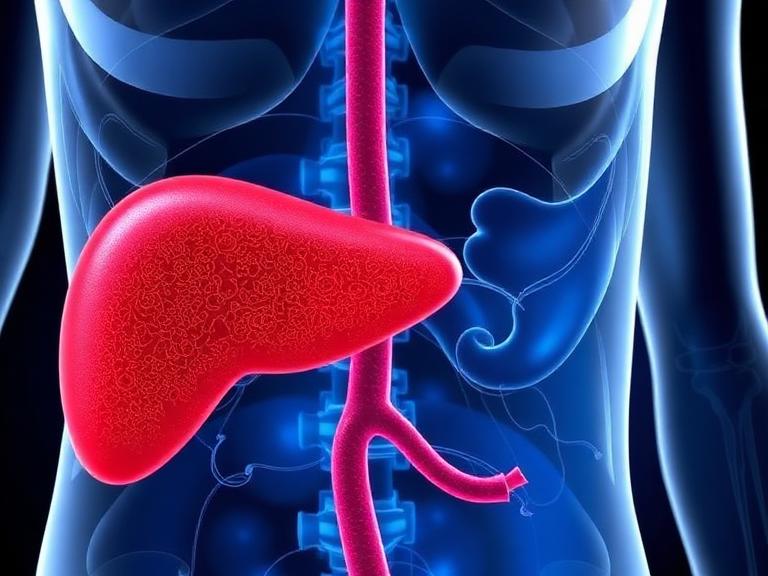
Have you ever eaten a heavy meal and wondered how your body magically turns that food into energy? Or why your blood sugar stays balanced most of the time without you even thinking about it? Behind the scenes, one small but incredibly powerful organ is working around the clock: the pancreas. Most people don’t pay much attention to this organ until something goes wrong, but its role in daily health is nothing short of remarkable.
The pancreas function is closely connected to two essential systems in the body: digestion and blood sugar regulation. It acts like a highly skilled manager overseeing two different departments at the same time. One department produces digestive juices that help break down food, while the other releases hormones that keep glucose levels stable. According to medical research, the pancreas produces roughly 1 to 2 liters of digestive fluid daily, highlighting how active this organ truly is.
When the pancreas becomes damaged or inflamed, the effects can ripple throughout the entire body. Conditions such as diabetes, pancreatitis, and pancreatic insufficiency can interfere with nutrient absorption, metabolism, and overall health. Understanding what does the pancreas do isn’t just a biology lesson—it’s valuable knowledge that can help you make better lifestyle choices and recognize potential warning signs early.
What Is the Pancreas?
Pancreas Anatomy and Location
The pancreas is a soft, elongated gland located deep inside the abdomen, behind the stomach and in front of the spine. In adults, it typically measures between 12 and 18 centimeters in length and weighs around 70 to 100 grams. Despite its modest size, it performs tasks that are essential for survival.
When discussing pancreas anatomy, doctors often divide the organ into several sections: the head, neck, body, and tail. The head sits next to the duodenum, which is the first part of the small intestine. The tail extends toward the spleen. This strategic location allows the pancreas to communicate efficiently with both the digestive tract and the bloodstream.
Think of the pancreas as a bridge connecting digestion and metabolism. One side communicates with the intestines through ducts that transport digestive enzymes. The other side communicates directly with the blood through specialized hormone-producing cells. This dual role makes the pancreas unique among human organs and explains why pancreatic disorders can affect multiple body systems simultaneously.
Understanding the Structure of the Pancreas
The pancreas contains two primary types of tissue: endocrine and exocrine pancreas tissue. About 95% of the organ consists of exocrine tissue, while only a small percentage is endocrine tissue. Yet both play equally important roles.
The exocrine portion contains acinar cells that produce digestive enzymes. These enzymes travel through small ducts before entering the small intestine, where they help break down food. The endocrine portion contains clusters of cells known as the Islets of Langerhans. These tiny cell clusters release hormones directly into the bloodstream.
Scientists have identified several different cell types within these islets. Beta cells produce insulin, alpha cells produce glucagon, and other cells secrete hormones such as somatostatin and pancreatic polypeptide. Together, these hormones coordinate complex metabolic processes that keep the body functioning efficiently.
What Does the Pancreas Do?
The Endocrine Function of the Pancreas
One of the most critical answers to the question “What does the pancreas do?” lies in its endocrine function. The endocrine pancreas acts as a hormone-producing center that helps regulate blood sugar levels throughout the day.
Whenever you eat carbohydrates, your body converts them into glucose. As glucose enters the bloodstream, blood sugar levels rise. In response, the pancreas releases insulin. This hormone acts like a key, allowing glucose to enter cells where it can be used for energy. Without insulin, glucose remains trapped in the bloodstream, leading to elevated blood sugar levels.
Insulin and Glucagon: The Blood Sugar Controllers
The relationship between insulin and glucagon is often compared to a thermostat. Insulin lowers blood sugar when levels become too high, while glucagon raises blood sugar when levels drop too low. Together, they maintain a delicate balance that keeps the brain, muscles, and organs supplied with a steady source of energy.
Research from major medical organizations shows that approximately 75% of cells within pancreatic islets are insulin-producing beta cells. These cells continuously monitor glucose levels and respond within minutes to changes in blood sugar.
Without this system, everyday activities such as exercising, working, studying, or even sleeping would become much more difficult. The body relies on stable glucose levels to support nearly every biological process. This is why diseases that affect insulin production, such as diabetes, can have widespread consequences throughout the body.
The Exocrine Function of the Pancreas
The second major role of the pancreas involves digestion. The exocrine pancreas produces digestive fluids that help break down proteins, fats, and carbohydrates before they enter the bloodstream.
Each day, the pancreas releases enzyme-rich fluid into the small intestine through the pancreatic duct. This fluid contains a carefully balanced mixture of enzymes and bicarbonate, which helps neutralize stomach acid. Without these secretions, the digestive system would struggle to absorb nutrients effectively.
Pancreatic Enzymes and Digestion
The three main pancreatic enzymes include:
| Enzyme | Function |
|---|---|
| Amylase | Breaks down carbohydrates |
| Lipase | Digests fats |
| Protease (Trypsin and Chymotrypsin) | Breaks down proteins |
These enzymes function like specialized tools in a workshop. Each one performs a unique task that contributes to efficient digestion. When pancreatic enzyme production decreases, individuals may experience bloating, weight loss, diarrhea, nutrient deficiencies, and digestive discomfort.
Endocrine and Exocrine Pancreas: Key Differences
Although the endocrine and exocrine systems perform different jobs, they constantly communicate with each other. Scientists increasingly recognize that these two systems are more interconnected than previously believed. Studies have found that people with diabetes frequently experience changes in exocrine pancreatic function as well. Research estimates that approximately 22% of people with type 2 diabetes may have some degree of exocrine pancreatic insufficiency.
Imagine a company with two departments sharing the same building. If one department experiences major problems, the other often feels the effects too. The pancreas works in a similar way. Damage affecting hormone production may eventually influence digestion, and digestive disorders may impact hormone regulation.
This growing understanding has changed how healthcare providers evaluate pancreatic diseases. Rather than viewing endocrine and exocrine disorders separately, many experts now consider them parts of a broader pancreatic health picture. This approach helps doctors identify underlying issues earlier and develop more comprehensive treatment plans.
The Five Major Functions of the Pancreas
Many people ask, “What are the five functions of the pancreas?” While the organ performs numerous tasks, five major functions stand out.
Hormone Production
The pancreas produces hormones including insulin, glucagon, somatostatin, and pancreatic polypeptide. These hormones regulate blood sugar, digestion, and energy balance. Without proper hormone production, the body’s metabolic system can become unstable.
Digestive Enzyme Secretion
The pancreas manufactures digestive enzymes that help break down food into nutrients the body can absorb. This process allows the body to obtain energy, vitamins, minerals, and amino acids from meals.
Blood Sugar Regulation
Maintaining glucose balance is one of the pancreas’s most important responsibilities. Stable blood sugar supports brain function, energy levels, and long-term health.
Neutralizing Stomach Acid
The pancreas releases bicarbonate-rich fluid into the small intestine. This alkaline solution neutralizes stomach acid, creating the ideal environment for digestive enzymes to function effectively.
Supporting Nutrient Absorption
By coordinating digestion and hormone regulation, the pancreas helps the body absorb nutrients efficiently. Every cell depends on this process for growth, repair, and maintenance.
Common Pancreas Problems and Warning Signs
Early Symptoms of Pancreatic Disorders
The first signs of a bad pancreas can be subtle. Many people initially mistake symptoms for routine digestive issues. Common warning signs include abdominal pain, nausea, unexplained weight loss, bloating, indigestion, and changes in stool appearance.
Persistent fatigue may also occur because the body struggles to absorb nutrients properly. In some cases, blood sugar levels become difficult to control, leading to increased thirst, frequent urination, or sudden hunger. Since the pancreas sits deep within the abdomen, symptoms often develop gradually and may not become obvious until significant damage has occurred.
Paying attention to recurring digestive problems is important. While occasional discomfort is common, ongoing symptoms deserve medical evaluation. Early diagnosis often improves treatment outcomes and helps prevent complications.
Pancreatitis, Diabetes, and Other Conditions
Several health conditions can affect pancreatic function. Pancreatitis refers to inflammation of the pancreas and may be acute or chronic. Diabetes develops when insulin production or insulin response becomes impaired.
Other disorders include pancreatic cysts, exocrine pancreatic insufficiency, and pancreatic cancer. While these conditions vary significantly in severity, many share overlapping symptoms. This overlap is one reason healthcare providers often use imaging studies, blood tests, and enzyme evaluations when investigating pancreatic concerns.
Best Foods for Pancreas Health
Ten Foods That Support Pancreatic Function
Many people search for foods that may help support pancreatic health. While no food can magically heal the pancreas, certain nutrient-rich choices may reduce inflammation and support overall digestive function.
Some of the most commonly recommended foods include:
- Blueberries
- Spinach
- Broccoli
- Sweet potatoes
- Yogurt
- Turmeric
- Garlic
- Salmon
- Whole grains
- Cherries
These foods provide antioxidants, fiber, healthy fats, and essential nutrients that support metabolic health. A balanced diet rich in fruits, vegetables, lean proteins, and healthy fats can reduce stress on the pancreas while supporting stable blood sugar levels.
Hydration also matters. Drinking enough water helps digestive enzymes function effectively and supports overall organ health. Limiting excessive alcohol consumption and reducing highly processed foods may further decrease pancreatic strain.
Can You Live Without a Pancreas?
Surprisingly, the answer is yes. People can live without a pancreas after surgical removal, but life becomes significantly more complex. Because the pancreas produces both digestive enzymes and insulin, individuals who undergo complete pancreatic removal require lifelong medical support.
Patients typically need insulin therapy to manage blood sugar and enzyme replacement medications to help digest food. Modern medicine has made survival possible, but careful monitoring remains essential. Daily routines often include blood sugar checks, medication schedules, and dietary adjustments.
This reality highlights just how important the pancreas truly is. Even though it rarely receives attention compared with organs like the heart or brain, its contributions are equally vital to survival and quality of life.
Expert Tips for Keeping Your Pancreas Healthy
Maintaining pancreatic health often comes down to consistent lifestyle choices rather than quick fixes. Medical experts generally recommend:
- Maintain a healthy body weight.
- Exercise regularly.
- Avoid smoking.
- Limit alcohol intake.
- Eat fiber-rich foods.
- Manage blood sugar levels.
- Stay hydrated.
- Schedule routine medical checkups.
Research continues to show strong links between metabolic health and pancreatic function. Small habits practiced consistently often provide greater benefits than dramatic short-term changes. Your pancreas works tirelessly every day, and supporting it with healthy choices can have long-lasting effects on overall wellness.
Conclusion
The pancreas function extends far beyond what most people realize. This remarkable organ acts as both a digestive powerhouse and a blood sugar control center, helping the body transform food into energy while maintaining metabolic balance. Through its endocrine and exocrine systems, the pancreas produces hormones like insulin and glucagon as well as vital pancreatic enzymes that support digestion and nutrient absorption.
Understanding pancreas anatomy, recognizing early warning signs of dysfunction, and adopting healthy lifestyle habits can make a significant difference in long-term health. Whether you’re learning about diabetes, digestive health, or simply trying to take better care of your body, appreciating the pancreas is a smart place to start. Small daily choices—healthy eating, regular exercise, and preventive healthcare—can go a long way toward protecting this essential organ.
Frequently Asked Questions
1. What are the first signs of a bad pancreas?
Early signs may include abdominal pain, nausea, bloating, indigestion, unexplained weight loss, fatty stools, fatigue, and difficulty controlling blood sugar levels.
2. What are the five functions of the pancreas?
The five major functions include hormone production, digestive enzyme secretion, blood sugar regulation, stomach acid neutralization, and nutrient absorption support.
3. What are 10 amazing foods to heal your pancreas?
Blueberries, spinach, broccoli, sweet potatoes, yogurt, turmeric, garlic, salmon, whole grains, and cherries are commonly recommended as pancreas-supportive foods.
4. Can we live without a pancreas?
Yes, but lifelong insulin therapy and digestive enzyme replacement are typically required after complete pancreatic removal.
5. What is the difference between endocrine and exocrine pancreas?
The endocrine pancreas releases hormones such as insulin and glucagon into the bloodstream, while the exocrine pancreas produces digestive enzymes that enter the small intestine.
6. Which pancreatic enzyme is most important?
All pancreatic enzymes are important, however lipase seems to be of utmost importance since it helps in digestion of fats.